Lithium battery packs are regulated, high-value cargo. The difference between sourcing from a real pack builder and a trading company is rarely visible on a product photo — it shows up in lead time, traceability, after-sales support and, worst case, in a shipment that never clears customs. This guide gives you the concrete checks that separate a factory from a middleman, so you can place the order with confidence.
1. Why "factory or trading company" actually matters
A trading company is not automatically dishonest — many are competent and well-connected. But they add a margin, they cannot change a design on the spot, and they depend on a supplier they may not control. When you need a custom pack, a revised BMS, or a test report issued in the factory's own name, you want the entity that physically builds the pack on the call. Knowing which one you are talking to changes how you negotiate, what you ask for, and what you can hold them accountable for.
2. Check the business license and a real production address
Ask for the company's business license with its unified social credit code, then confirm the registered address is a manufacturing site you could actually visit — not a shared office or a co-working desk. In China, the license states the business scope; "manufacturing of battery packs" should appear there. A serious factory will share its full address, invite a video call from the workshop floor, and have no problem with a third-party inspection before production. If the address is vague or the scope reads "trading" only, treat it as a reseller.
3. Look for the production equipment, not just a catalogue
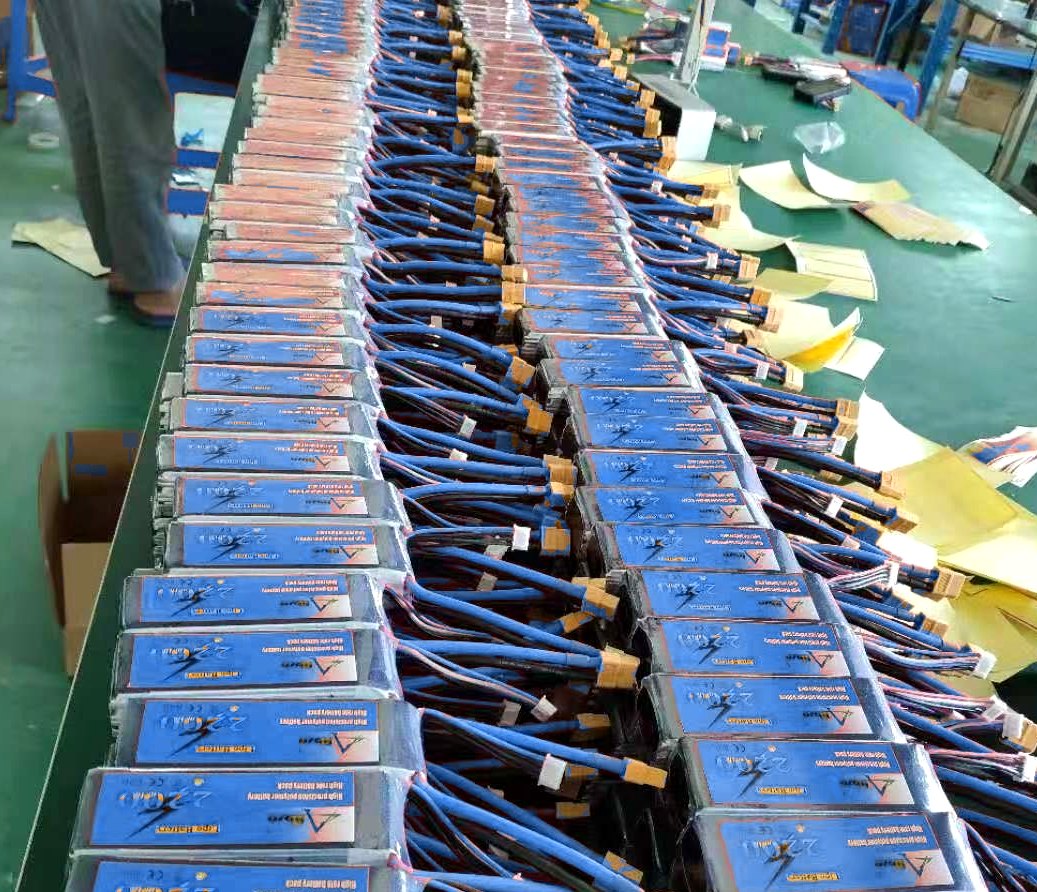
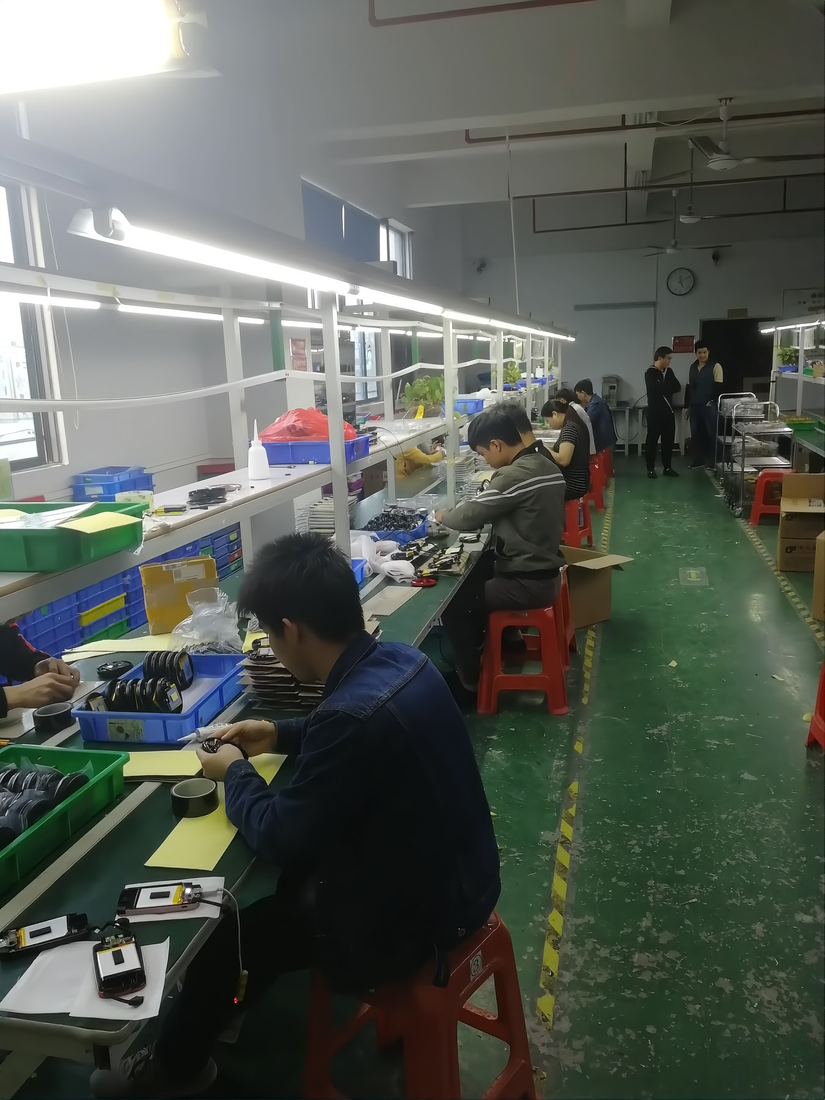
A real pack builder owns the steps that define quality: spot-welding or ultrasonic-welding stations, a cell-sorting / grading area, an assembly line, and an aging or test room. Ask for a short video panning the shop floor, or a live walk-through. A trading company will show you a tidy office and a catalogue of SKUs; a factory will show you nickel strips, fixture jigs, and packs mid-build. You do not need to be an engineer to spot the difference — you need to see machines that turn cells into packs.
4. Cell grading: the line between a builder and a reseller
Every pack is only as good as the cells inside it. A genuine factory receives loose cells, sorts them by capacity and internal resistance, and matches them into groups before assembly. That grading step is exactly why capacity stays honest and packs stay balanced. We only build with original-pack Grade A cells — never B-grade, never C-grade, ever. A reseller, by contrast, often cannot show you any sorting record, because the packs arrive pre-built from someone else. Ask to see the cell-sorting machine and a sample grading report; if neither exists, you are not talking to the builder.
5. Documentation a manufacturer can issue in its own name
Some papers can only come from the entity that built the product. A real factory can provide UN38.3 test reports, MSDS, and product-level test data issued under its own company name, and can support IEC 62133 / CE / CB documentation for your market. A trading company will route you back to "the factory" for every document and may only hold a reseller's copy. For lithium batteries — regulated dangerous goods — this distinction is not paperwork trivia; it is what your forwarder and customs will ask for before the container moves.
6. A practical factory-verification checklist
Use the table below as a quick scorecard on your next supplier call. A real factory ticks most boxes; a trading company will stall on the ones that require owning the production.
| Check point | What a real factory shows | Red flag |
|---|---|---|
| Business license & scope | Unified social credit code; manufacturing scope; physical plant you can visit | Vague address; "trading" scope only |
| Production equipment | Spot welders, cell-sorting machines, assembly & aging line on site | "We outsource everything" with no line shown |
| Cell grading | Capacity-sorted Grade-A cells with sorting records | Mixed batches, no grading data |
| Test reports | UN38.3 / MSDS / IEC 62133 issued in own name (on request) | Cannot show any test document |
| Sample lead time | Builds a sample from your spec in typical 7–15 days | Only resells existing SKUs |
| Engineering response | Reviews your drawing and proposes changes directly | Forwards every question "to the factory" |
7. What to do when something does not add up
If a supplier hesitates on the license, cannot show the floor, or cannot issue documents in its own name, slow down. Request a video call from the workshop, commission a third-party pre-shipment inspection, or ask for references from buyers in your region. A reputable factory expects these questions and answers them without friction. The cost of one extra verification step is tiny next to a container of packs that fails customs or a deposit that disappears.
Send us your spec and verify the factory directly
Tell us what you are building — voltage, capacity, application and quantity — and we will reply within 24 hours with a specification proposal and transparent pricing. We are a Dongguan-based pack builder: visit the workshop, see the cell-sorting line, and review the test reports before you commit. Samples are charged and credited to your first production order.
Quick Inquiry
Verifying a supplier is not about distrust — it is about matching the right partner to a regulated, long-lead product. Run the checklist once, and every subsequent order gets simpler, faster and safer.
Related
Browse the product lines we build — each links to its own page: