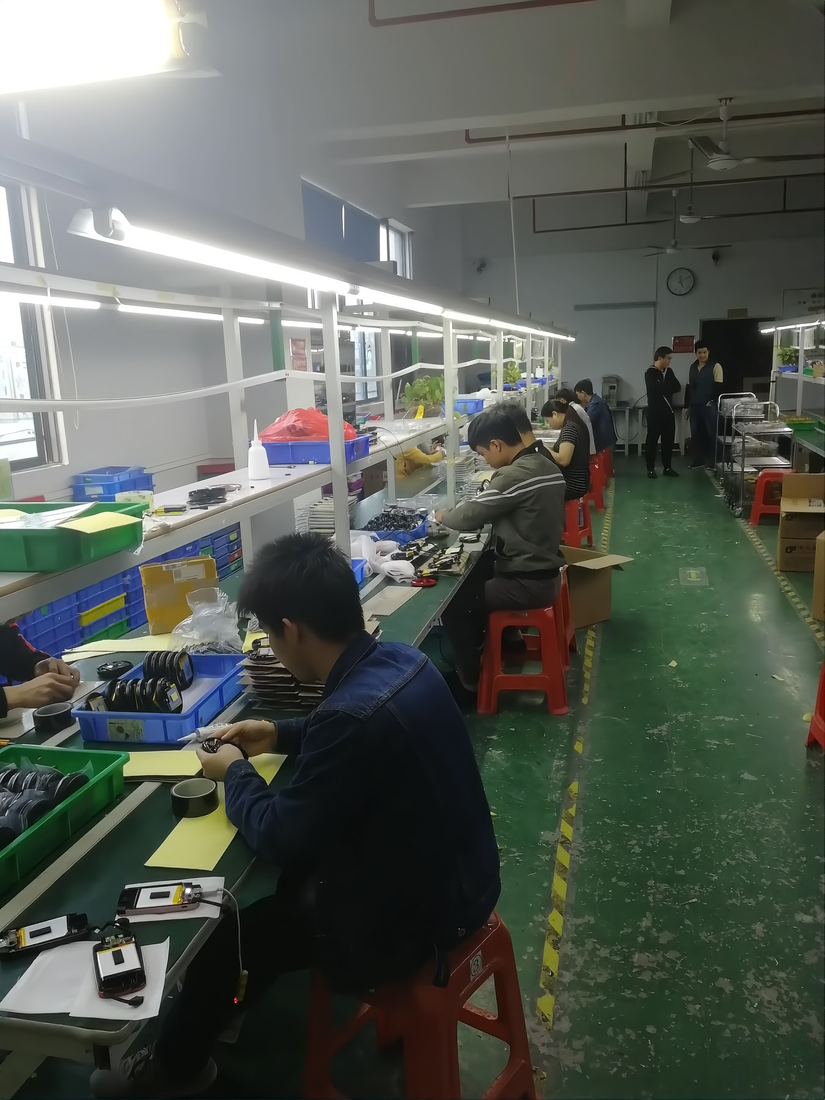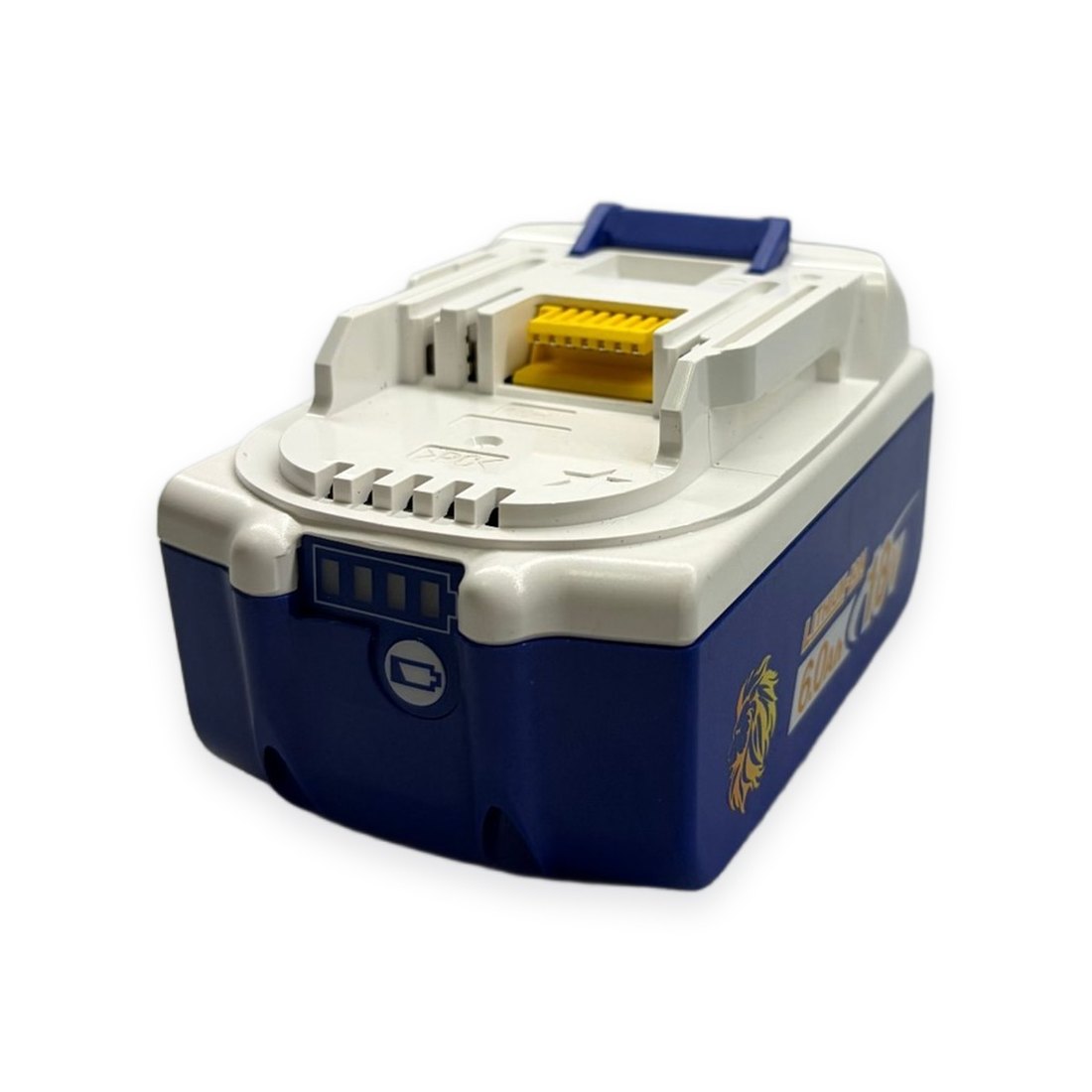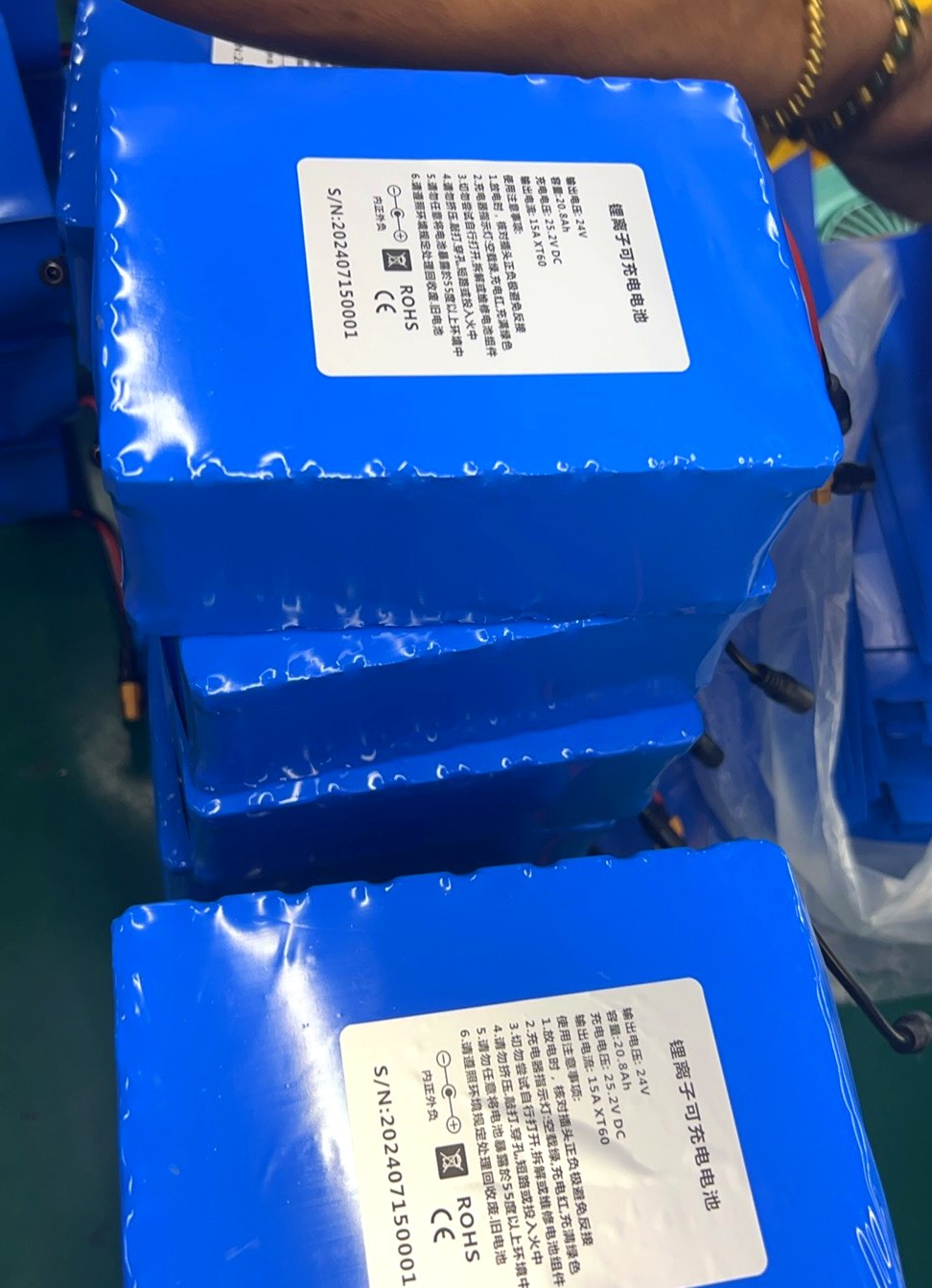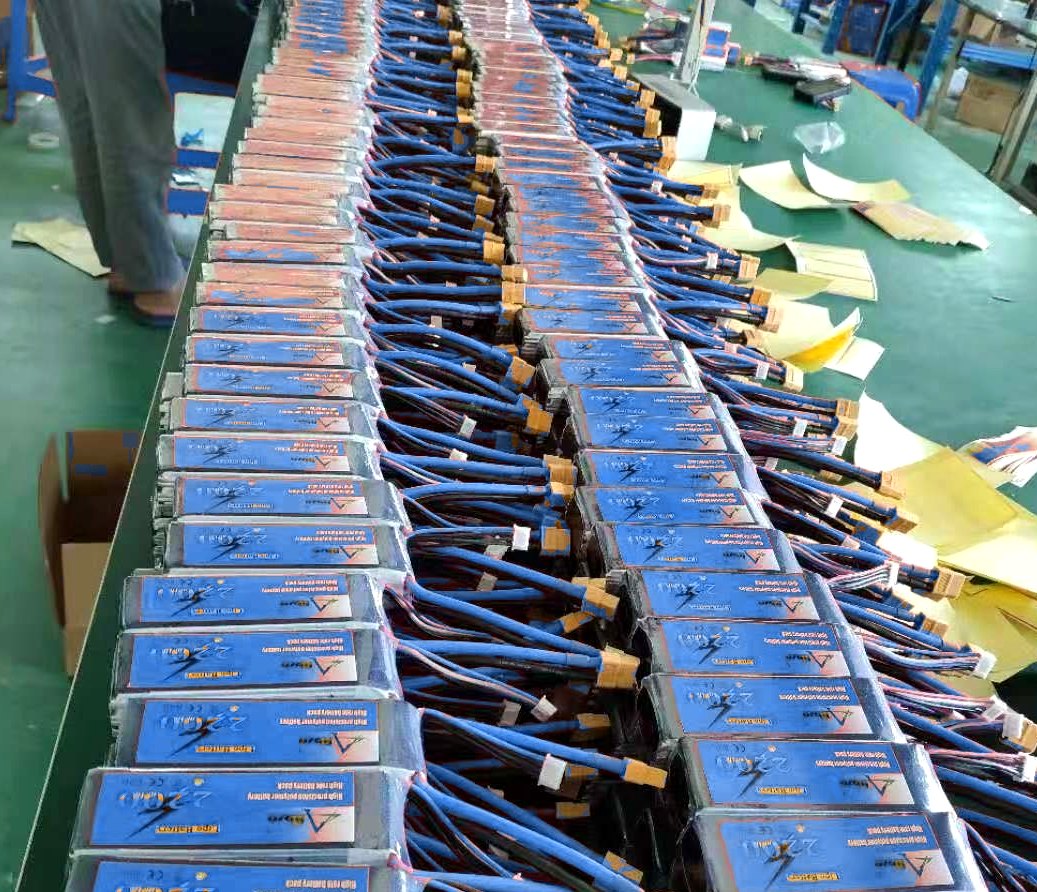
When a drone drops from the sky or a robot arm stutters mid-cycle, the cause is often not the capacity on the label — it is the discharge rate. Capacity (Ah) tells you how long a pack lasts; C-rating tells you how much current it can deliver without its voltage collapsing. For drones, UAVs and robotics, where motors demand sudden, heavy current, C-rating is the number that decides whether a pack works or merely looks good on paper. This guide unpacks the term so you can specify — and buy — a high-rate pack with confidence.
1. What "C-rating" actually measures
C-rating is a multiplier on capacity. A 1,000 mAh (1.0 Ah) cell rated at 30C can deliver 30 × 1.0 A = 30 A continuously; at 100C it can deliver 100 A in short bursts. It is not a fixed ampere figure — it scales with capacity. That is why a small drone pack can out-perform a large one on current: the small pack may carry a far higher C-rating. C-rating answers one practical question: "at the current my device actually draws, will the voltage stay up?" A pack that is perfectly sized on Ah but under-rated on C will sag the moment the motors spike.
2. Continuous C-rate vs peak C-rate
Two numbers matter, and they are not the same. Continuous C-rate is the current the pack can sustain without overheating or excessive voltage drop — the level it can hold for the whole flight or duty cycle. Peak C-rate is the current it can deliver for a few seconds during a spike (a drone punching upward, a robot arm snapping to position). A pack rated "45C continuous / 90C peak" behaves very differently from one rated "20C / 40C". Always ask for both, and confirm how long the "peak" is meant to last — a peak quoted for 100 ms is not the same as one rated for 10 seconds. We build drone and UAV packs across 3S–14S configurations with continuous ratings up to 45C and peak ratings reaching 160C, depending on the cell chosen.
3. Why packs sag — and how a good pack avoids it
Voltage sag is what you feel as lost punch. Under high current, internal resistance drops the terminal voltage; if the pack cannot keep up, the flight controller or motor driver sees low voltage and throttles or cuts out. Sag comes from three places: low-grade or high-resistance cells, thin interconnects and nickel strips, and a BMS or leads that are not rated for the current. A well-built high-rate pack attacks all three — matched high-rate cells, thick pure-nickel busbars and current-rated cabling — so the voltage stays flat through the spike instead of folding. The difference is most visible at the end of a run, when a weak pack sags hard and a strong one still delivers.
4. Choosing cells for a high-rate pack
Not every cell is built for current. Standard energy cells (the kind used in power banks) have low C-ratings and will overheat under motor load. High-rate packs use cells designed for discharge — specific 18650 and 21700 formats, and high-rate pouch cells for the lightest drone builds. The single most important rule is cell grade: under-rated or recycled cells hide their weakness until they fail in the field. We only build with original-pack Grade A cells — never B-grade, never C-grade, ever. For high-rate work that baseline is non-negotiable, because the pack's reputation is your drone's reliability.
5. BMS, connectors and cabling that survive high current
A high-rate pack is only as strong as its weakest electrical link. The protection circuit (PCM as standard, or a smart BMS with SMBus / CAN communication on request) must be rated for the continuous and peak current, not just the average. Connectors matter too: a loose or under-rated plug becomes a hot spot. We spec connectors such as XT60 or Amass connectors for high-current builds, or build to your custom pinout, and we size the cabling and busbars for the actual peak — not the catalogue figure. If your device expects battery communication, say so up front so the BMS is chosen correctly rather than retrofitted.
6. How to specify a high-rate pack for your drone or robot
To get a pack that performs, send the factory four things: the configuration (series count, e.g. 4S / 6S), the continuous and peak current with the peak duration, the capacity you need, and the connector / communication requirement. A photo of the current pack with a ruler beside it is enough to start. The table below is the brief we use — every line is a typical value or marked "on request" where it depends on your application, so nothing here is a fixed promise until it appears in a written quote.
| Parameter | Typical / On request |
|---|---|
| Configuration | 3S – 14S typical for drones / robotics; custom series on request |
| Continuous discharge | Up to 45C typical (depends on cell choice); higher on request |
| Peak discharge | 80C – 160C typical for short bursts; duration confirmed per cell |
| Capacity | By application — typical 1.5Ah – 12Ah for drone / UAV packs |
| Cells | Original-pack Grade A only (EVE / Lishen tier; Samsung SDI option) |
| BMS / PCM | PCM as standard; smart BMS with SMBus / CAN on request |
| Connector | XT60 / Amass typical; custom pinout on request |
| Certifications | UN38.3 + MSDS supplied; CE / CB / IEC 62133 on request |
| Lead time | Sample ~7–15 days; mass production on request |
Note: peak-C duration is cell-specific. A figure quoted for 100 ms is not the same as one rated for 10 s — confirm the duty cycle when you brief the factory.
7. Lead time, MOQ and what we build
High-rate packs are a custom or platform build, so minimum order quantity follows the same tiers as our other packs: 20 pcs for power tool and drone / UAV packs, 100 pcs for digital-device packs, and 10 pcs for LiFePO4 storage packs. A pack that reuses a proven high-rate cell-and-BMS platform keeps the MOQ at its starting point; a fully new configuration may carry a different minimum, which we confirm in the quote — never after tooling. Samples typically run about 7–15 days, and mass-production lead time is quoted per order based on volume and cell sourcing. If you are unsure of the exact C-rating your device needs, send the motor or device spec and we will size the pack from there.
Send us your high-rate spec
Tell us the configuration, continuous and peak current, and capacity — even a photo of your current pack is enough to start — and we reply within 24 hours with a specification proposal and pricing tiers. Samples are charged and credited to your first production order.
Quick Inquiry
The right C-rating is invisible when it works and impossible to ignore when it doesn't. Specify continuous and peak, confirm the duration, and insist on Grade-A cells — and the pack will deliver the punch your drone or robot was designed to draw, run after run.
Related
Browse the product lines we build — each links to its own page: