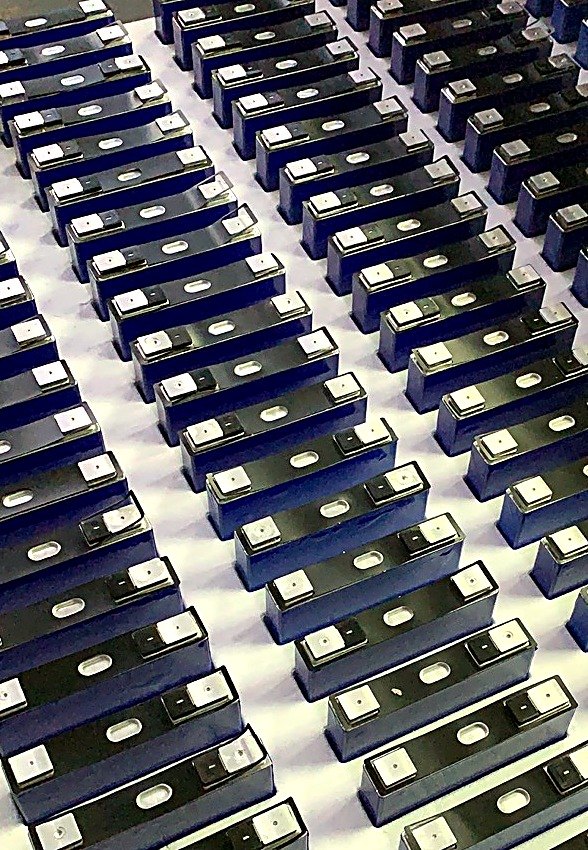
In warehouses, telecom sites, solar homes and on boats across Southeast Asia, the familiar heavy lead-acid block is quietly disappearing. The replacement is almost always the same chemistry: lithium iron phosphate, or LiFePO4. The shift is not a fad — it is a response to three pressures every regional buyer feels: space is tight, the grid is unreliable, and the total cost of a battery over its life now matters more than its sticker price. This guide explains why LiFePO4 is winning, where it fits, and what you should verify before you swap out a lead-acid bank.
1. The shift is already happening across the region
Southeast Asia's power reality makes energy storage a necessity rather than a luxury. Frequent outages, rising electricity tariffs and a fast-growing rooftop-solar base mean backup and self-consumption batteries are in constant demand. Lead-acid has been the default for decades because it was cheap and available. But as LiFePO4 pack prices have fallen, the math has flipped — and importers in Malaysia, the Philippines, Vietnam, Indonesia and Thailand are now specifying lithium as the first choice for new projects rather than a premium upgrade.
2. Weight and footprint: the easiest win
The first thing any buyer notices is the weight. A lead-acid bank delivering a given usable capacity can weigh three to four times as much as an equivalent LiFePO4 pack. In a boat, an RV, a telecom cabinet or a stacked home system, that difference is not cosmetic — it changes structural load, handling, and how much you can install in the same footprint. For Southeast Asian distributors shipping by sea and last-mile by motorcycle or small van, lower weight also means lower freight per watt-hour delivered.
3. Cycle life and total cost of ownership
This is where LiFePO4 pulls permanently ahead. Lead-acid degrades quickly once it is repeatedly discharged past its comfortable depth, while LiFePO4 tolerates deep cycling for years. The table below shows typical, widely published figures — your exact numbers depend on temperature, discharge rate and how the bank is managed, so treat them as a planning baseline rather than a guarantee.
| Parameter | Lead-acid (flooded / AGM) | LiFePO4 (typical) |
|---|---|---|
| Nominal cycle life | 300–500 cycles (typical) | 2,000–4,000 cycles (typical) |
| Recommended depth of discharge | ~50% | 80–100% |
| Round-trip efficiency | ~70–85% | ~95–98% |
| Weight per kWh | ~25–30 kg (typical) | ~7–10 kg (typical) |
| Routine maintenance | Top-up / equalisation (flooded) | None |
| Typical service life / warranty | 1–2 years | 3–5 years (on request) |
Divide the purchase price by the cycles you actually get, and the lead-acid "saving" usually evaporates within the first two or three replacement rounds. For a buyer running daily solar or backup cycles, LiFePO4 is frequently the cheaper battery by year three.
4. Usable capacity: depth of discharge matters
A lead-acid battery rated at 100 Ah does not really give you 100 Ah. Push it below about 50% state of charge and you shorten its life sharply, so the usable window is roughly half the label. LiFePO4 can safely deliver 80–100% of its rated capacity without the same penalty. In practice, a smaller LiFePO4 pack often replaces a much larger lead-acid bank once you account for usable, not nominal, amp-hours.
5. Charging speed, efficiency and maintenance
LiFePO4 charges faster and loses far less energy to heat during the round trip — typically 95–98% efficient versus 70–85% for lead-acid. That efficiency gap directly reduces the solar array or generator runtime you need to refill the bank. And there is no acid to top up, no equalisation cycle, and no risk of sulphation if the bank sits partially charged. For remote sites across the region where a technician visit is expensive, "fit and forget" has real value.
6. Where LiFePO4 is replacing lead-acid in SE Asia
The applications are broad and growing:
Solar home and small commercial storage — pairing with rooftop PV to shift daytime solar into evening use. Telecom and tower backup — lighter cabinets, longer autonomy, fewer site visits. Marine and RV — weight savings and no off-gassing in enclosed spaces. Industrial and forklift fleets — opportunity charging during breaks instead of battery swaps. Portable power stations — the consumer-facing edge of the same chemistry, now a mainstream category across the region.
7. What to verify before you swap a lead-acid bank
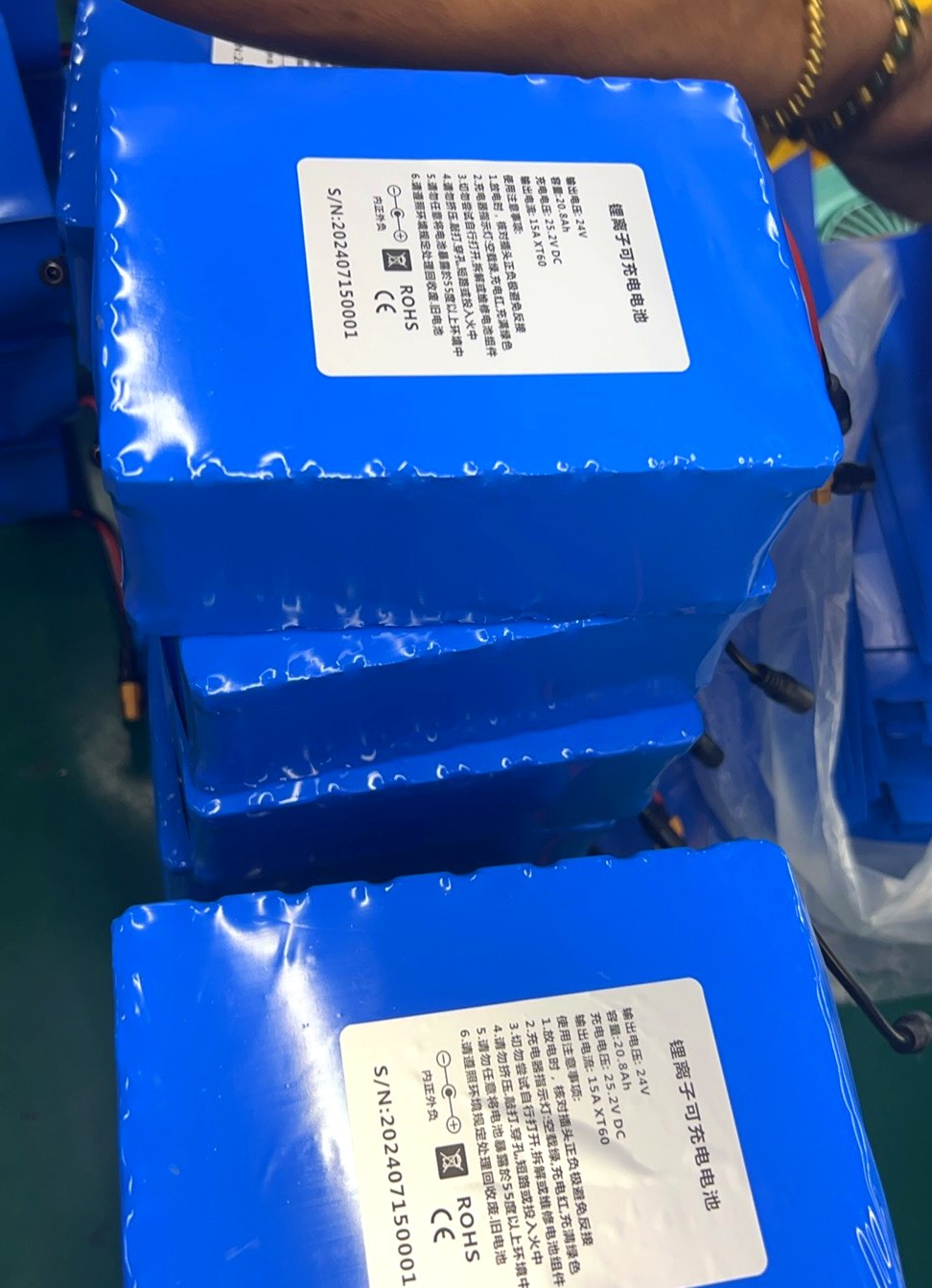
Replacement is rarely a like-for-like drop-in. Before you commit, confirm four things: the voltage window (12V / 24V / 48V systems behave differently), the charge-profile compatibility with your existing inverter or charger, the physical envelope and terminal layout, and the cell grade inside the pack. The last point is the one most buyers overlook. A LiFePO4 pack is only as good as the cells inside it, and not every supplier grades honestly.
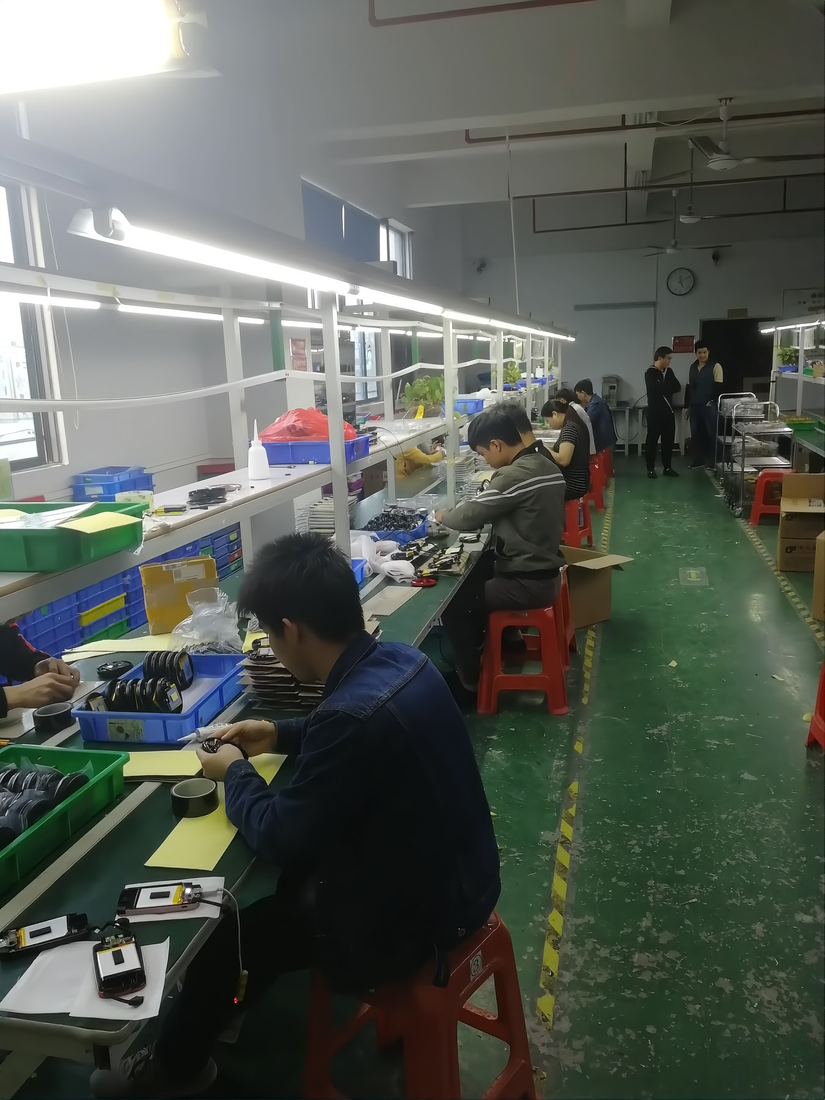
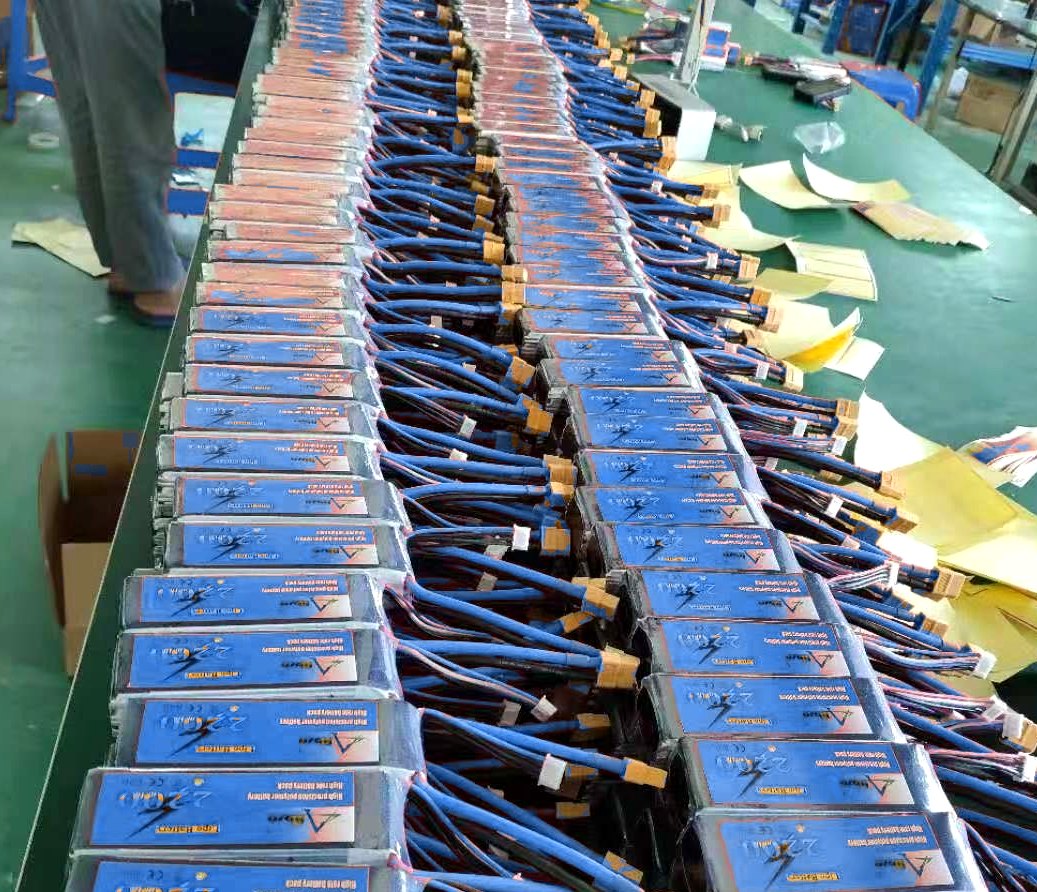
At Chengbang we are explicit about this: We only build with original-pack Grade A cells — never B-grade, never C-grade, ever. For a lead-acid replacement that has to survive daily deep cycling in a hot, humid climate, that discipline is the difference between a pack that lasts and one that quietly fails inside a year.
Planning a lead-acid replacement?
Tell us your current bank voltage, capacity and application — even a photo of the existing battery with its label is enough to start — and we will propose a LiFePO4 replacement specification and pricing tiers within 24 hours. Samples are charged and credited to your first production order.
Quick Inquiry
Not every lead-acid bank should be rushed into lithium, and a good supplier will tell you when it should not. But for the daily-cycling, space-constrained, maintenance-averse deployments that define most Southeast Asian storage projects, LiFePO4 is no longer the alternative — it is the baseline. The smart move is to size the replacement on usable capacity and total lifetime cost, not on the lower upfront number.
Related
Browse the product lines we build — each links to its own page: