When an importer ships lithium battery packs for the first time, the document list from the freight forwarder can look like alphabet soup: UN38.3, MSDS, SDS, DG declaration, PI 965… Two of these — UN38.3 and the MSDS — appear in almost every shipment, and they are mixed up constantly. They are not the same document, they are not issued by the same party, and they do not cover the same risk. This guide separates them so you know exactly what to ask your supplier for, and what your customs broker will actually check on arrival.
1. UN38.3 and MSDS are not the same thing
UN38.3 is a transport safety test. The MSDS (Material Safety Data Sheet) is a chemical safety document. One proves the battery will not fail dangerously in transit; the other tells a handler what is inside and how to respond if it leaks, overheats or catches fire. Most shipments need both, but they answer different questions and they are produced by different organisations. Treating one as a substitute for the other is the single most common reason a battery shipment gets held at the cargo terminal.
2. What UN38.3 actually certifies
UN38.3 refers to the UN Manual of Tests and Criteria, Section 38.3 — a set of eight stress tests (altitude simulation, thermal, vibration, shock, external short circuit, impact, overcharge, forced discharge) that a lithium cell or battery must pass before it can be offered for transport. Passing it produces a test summary (often called a UN38.3 test report or test summary). It does not certify quality, capacity or cycle life — only that the product is safe to move as dangerous goods. A valid test summary is required for air freight worldwide and is normally expected for sea freight as well. It is the document your forwarder files the dangerous-goods declaration against.
3. What an MSDS (SDS) actually covers
The MSDS — increasingly called an SDS (Safety Data Sheet) under the GHS system — describes the chemical composition and hazards of the battery: the electrolyte, the metals, first-aid measures, fire-fighting measures, handling and storage, and spill response. It is a handling document for anyone who touches the product, not a transport pass. It is issued by the manufacturer or supplier and should be revised whenever the formulation changes. For a pack built to your specification, the pack assembler issues the MSDS; for the cells, the cell maker does. If your pack is custom, you want the MSDS from the assembler who actually built it — not a generic one.
4. Which documents your shipment actually needs
This depends on the mode of transport and the battery type. As a practical rule:
- Air freight (Li-ion): UN38.3 test summary + dangerous-goods declaration + packing-instruction compliance (PI 965 / 966 / 967) + MSDS.
- Sea freight (Li-ion): UN38.3 test summary + dangerous-goods declaration (IMDG) + MSDS. Sea is more forgiving on some paperwork but is still regulated cargo.
- Samples by courier: often still require the UN38.3 summary and MSDS even at small quantity — do not assume a "sample" is exempt.
Your forwarder, not the factory, files the dangerous-goods declaration — but the factory must supply the underlying UN38.3 summary and MSDS so the declaration can be completed correctly. This is exactly the step that stalls first-time importers into Malaysia, the Philippines and Vietnam: the paperwork has to travel with the product, not arrive after it.
| Document | When you need it | Issued by | Typical validity |
|---|---|---|---|
| UN38.3 test summary | All air & most sea shipments of lithium cells / batteries | UN38.3-accredited laboratory | Per model design — no fixed expiry (typical) |
| MSDS / SDS | All modes; for handlers & customs | Pack assembler or cell maker | Reviewed on revision; ~3–5 years typical |
| Dangerous-goods declaration | Every regulated shipment | Shipper / DG-certified forwarder | Per shipment |
| Packing Instruction (PI 965 / 966 / 967) | Air freight of Li-ion | Confirmed by DG-certified packer | Per shipment |
5. Who issues them — and why "we have a test report" is not enough
The UN38.3 test summary must come from an accredited laboratory and must name the exact cell or battery model you are shipping. A generic report, or one written for a different capacity, will be rejected at the cargo terminal. The MSDS must come from the party that built or supplied the pack. This is where working with a real factory helps: the assembler who builds your pack can issue an MSDS that matches the actual configuration, and can point you to the cell-level UN38.3 already on file. Trading companies often resell a report that does not match the product in the box — which is how a shipment gets stopped at the destination port.
6. A document checklist for first-time importers
- Ask your supplier for the UN38.3 test summary naming your exact model — not a similar one.
- Get the MSDS / SDS from the pack assembler (for a custom pack) or the cell maker (for cells).
- Confirm whether your battery ships under PI 965 (standalone), PI 966 (packed with equipment) or PI 967 (contained in equipment).
- Use a dangerous-goods-certified forwarder who files the declaration for you.
- Keep a copy of every document with the shipment and at your destination office — customs in Malaysia, the Philippines and Vietnam can ask to see them on arrival.
7. The paperwork is easier when the factory is real
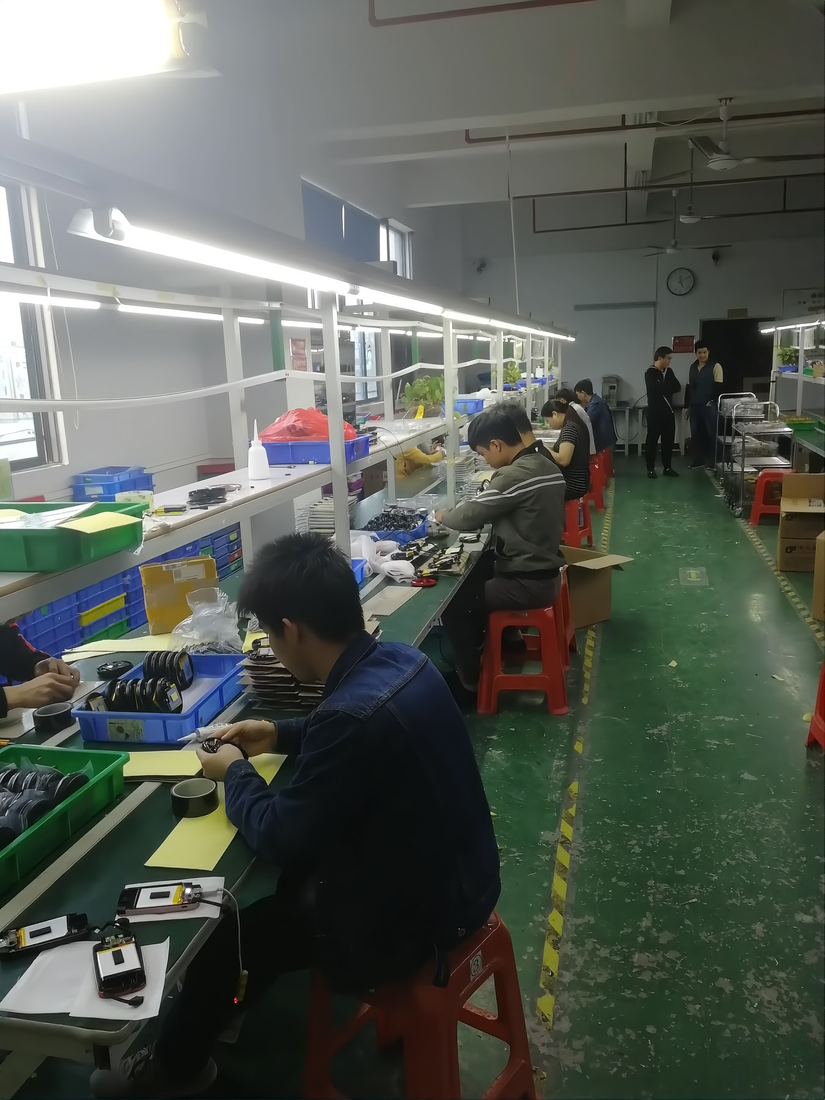
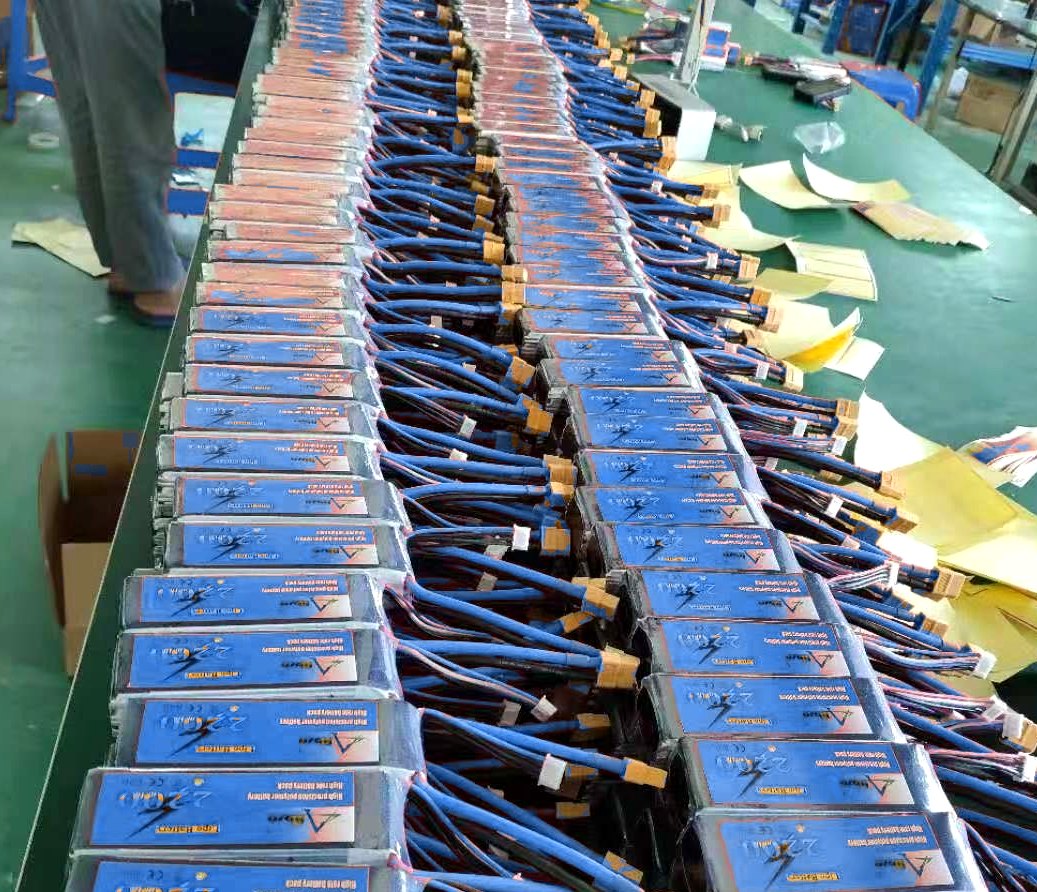
Documentation is only as trustworthy as the product behind it. We only build with original-pack Grade A cells — never B-grade, never C-grade, ever. — which means the UN38.3 summaries and MSDS we issue describe the cells actually inside the pack, not a best-case approximation. If you are shipping to Southeast Asia for the first time and want the compliance trail done properly from sample to container, send us your specification and we will return a proposal with the document path spelled out — not a generic "we can do it."
Need the right documents for your first shipment?
Send us your pack specification — voltage, capacity, application and destination — and we return a proposal that names the exact UN38.3 and MSDS you will need, plus the dangerous-goods path for your route. Samples are charged and credited to your first production order.
Quick Inquiry
Still unsure which document applies to your battery? That is the normal starting point — most buyers only see this list once, at their first shipment. Send us the pack you intend to import and we will tell you exactly which papers your forwarder will request, so nothing surprises you at the terminal.
Related
Browse the product lines we build — each links to its own page: