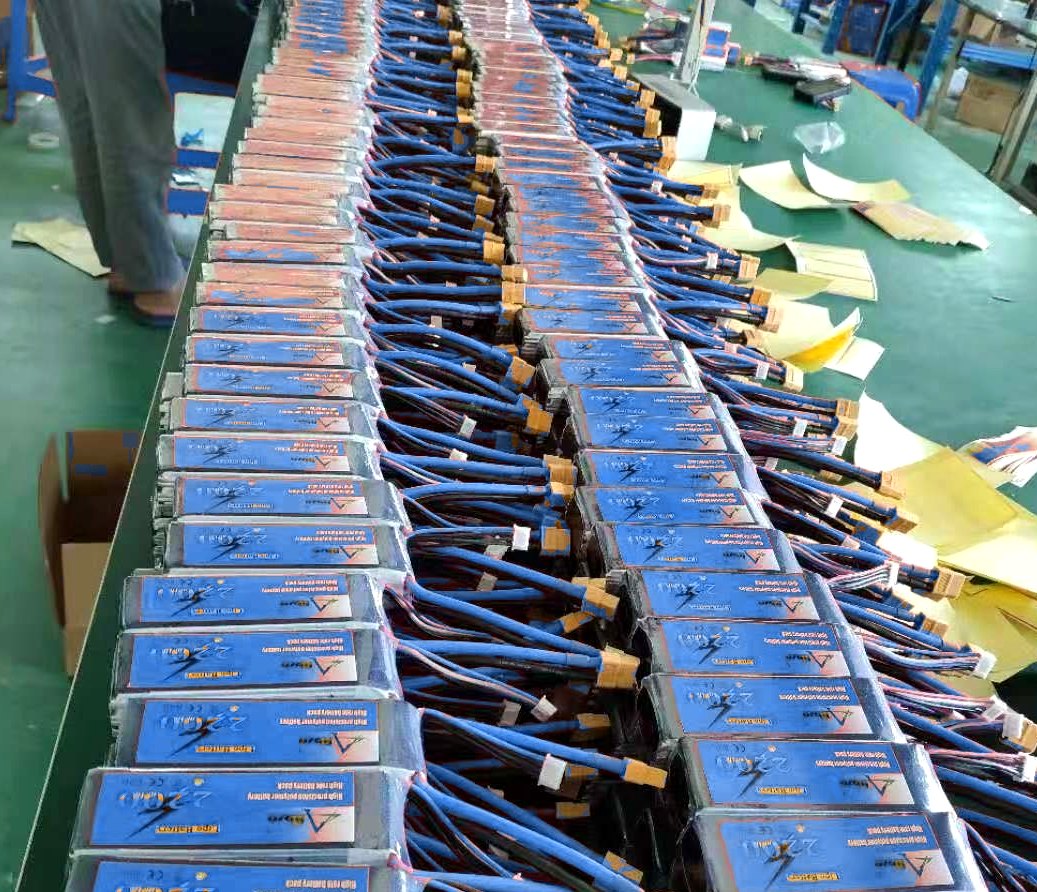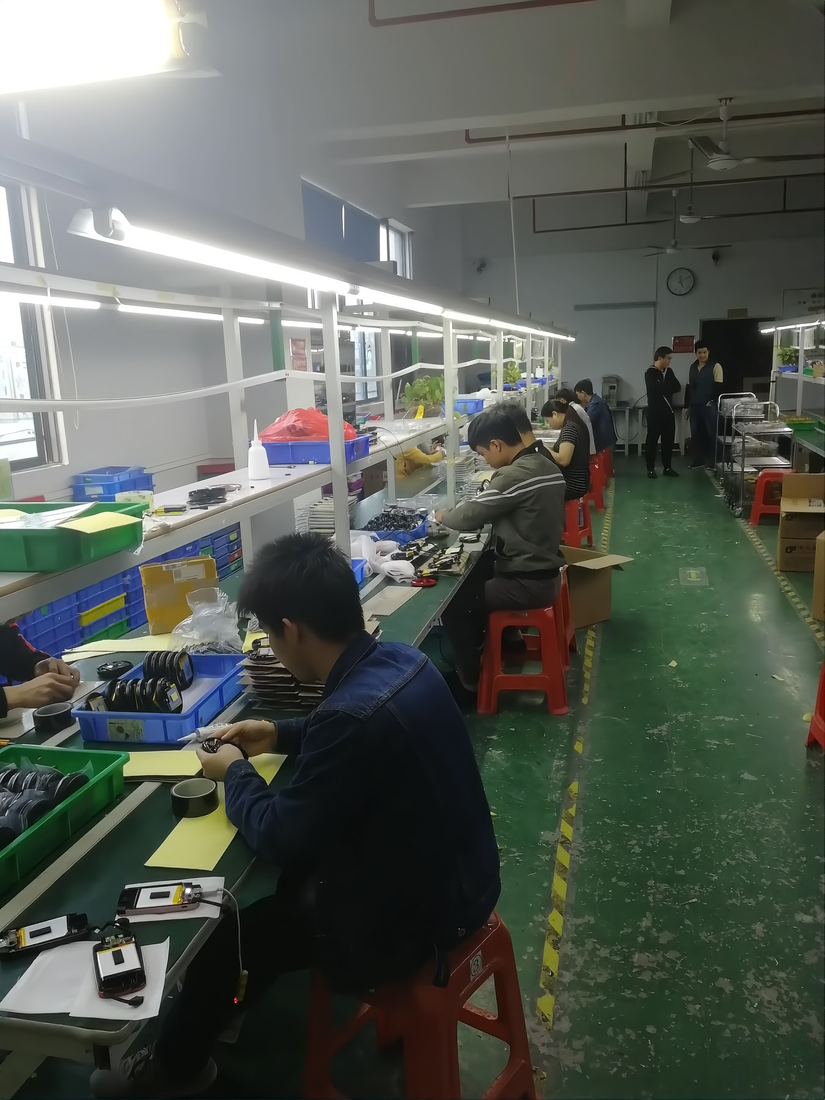
Private label is one of the fastest ways for an importer to build a battery brand without running a factory. The factory designs and builds the pack; your name goes on the label. But "private label" covers a wide range — from a plain re-badge of a standard pack to a fully custom design that only you sell. Before you send the first inquiry, it helps to know exactly where the factory's fixed limits are and where your freedom begins. This guide walks through the decisions that actually matter.
1. What "private label" means for a battery pack
At its simplest, private label means the pack is built to a standard or custom specification and shipped with your brand instead of the factory's. It sits between two other models: white label (a generic pack you sell as-is) and full OEM / ODM (the factory co-develops the design with you). Most importers land somewhere in between — a proven pack platform, your enclosure artwork, and your logo. The key point is that private label is a branding and packaging decision on top of a real manufacturing process, not a separate kind of product.
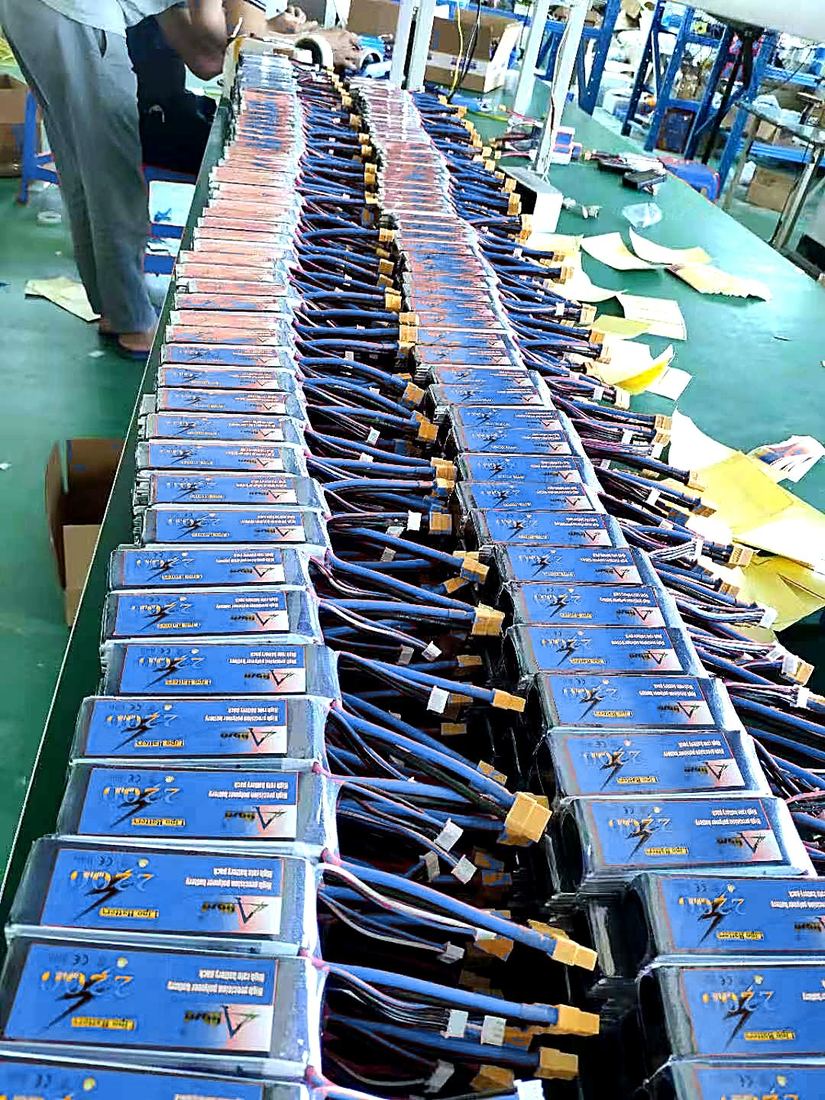
2. What you can customize — and what you cannot
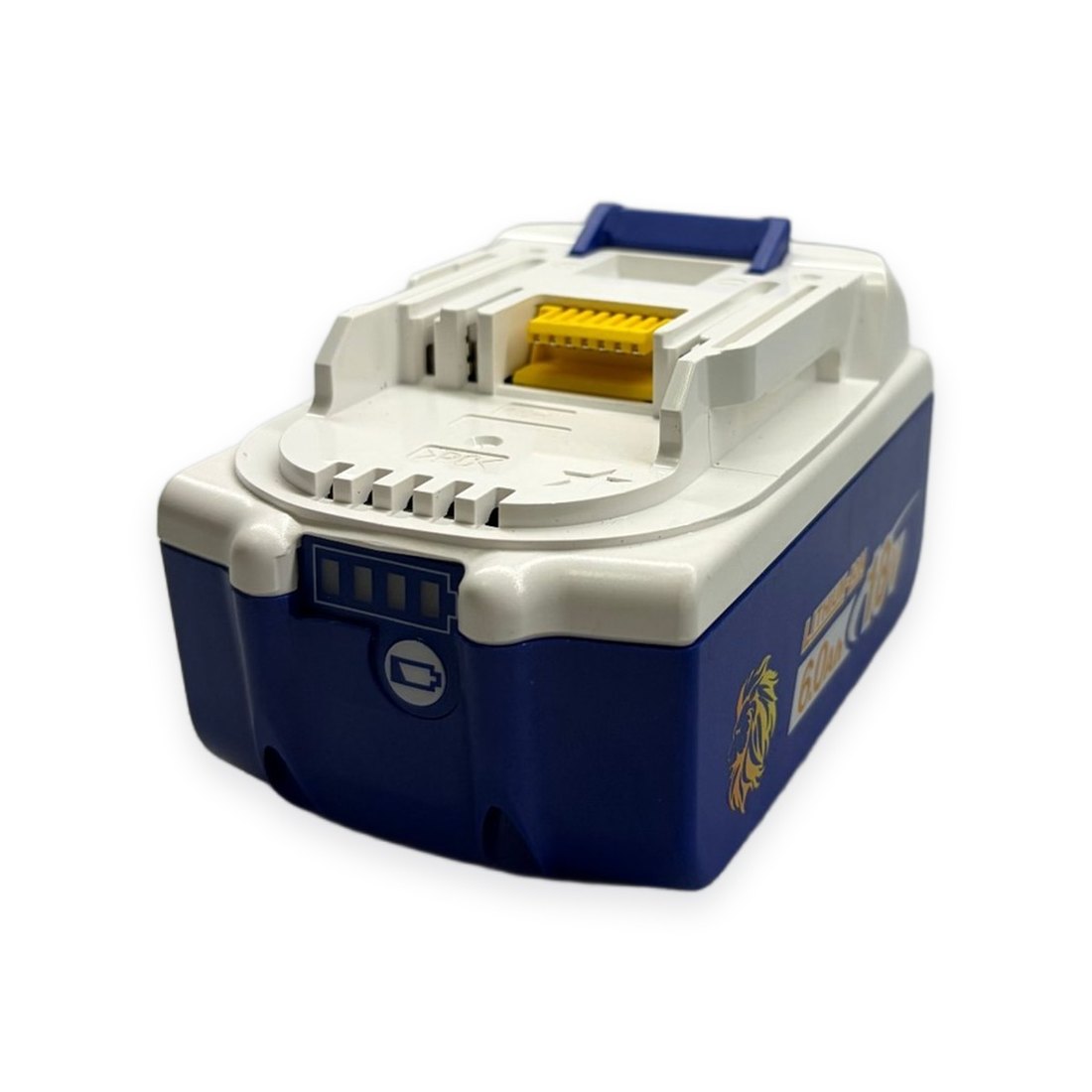
The parts you can usually control: enclosure shape and color, laser engraving or silk-screen of your logo, the label and serial-number format, the retail or bulk packaging, and the connector where the application allows. The parts that stay fixed are the safety-critical ones — the cell chemistry, the protection scheme, and the electrical specification needed to run the device safely. If your pack replaces a Makita 18V LXT or DeWalt 20V MAX tool pack, we build to the same electrical spec so it runs the tool correctly; your brand sits on the label, not the original maker's. What you should not expect is to change cell grade or drop safety certification to hit a price — that is where a serious factory draws the line.
3. MOQ and tooling for private-label packs
Private label does not usually need new tooling if it rides on a platform the factory already builds. That keeps the minimum order quantity low. Our starting points are 20 pcs for power tool and drone / UAV packs, 100 pcs for digital-device packs, and 10 pcs for LiFePO4 storage packs. If your pack reuses a proven cell-and-BMS combination, the number holds; if it needs a new enclosure or a new certification path, we confirm any higher minimum in the quote — never after tooling has started. A low MOQ is a direct result of building on a standard platform, not a discount on quality.
4. Branding, labeling and who owns compliance
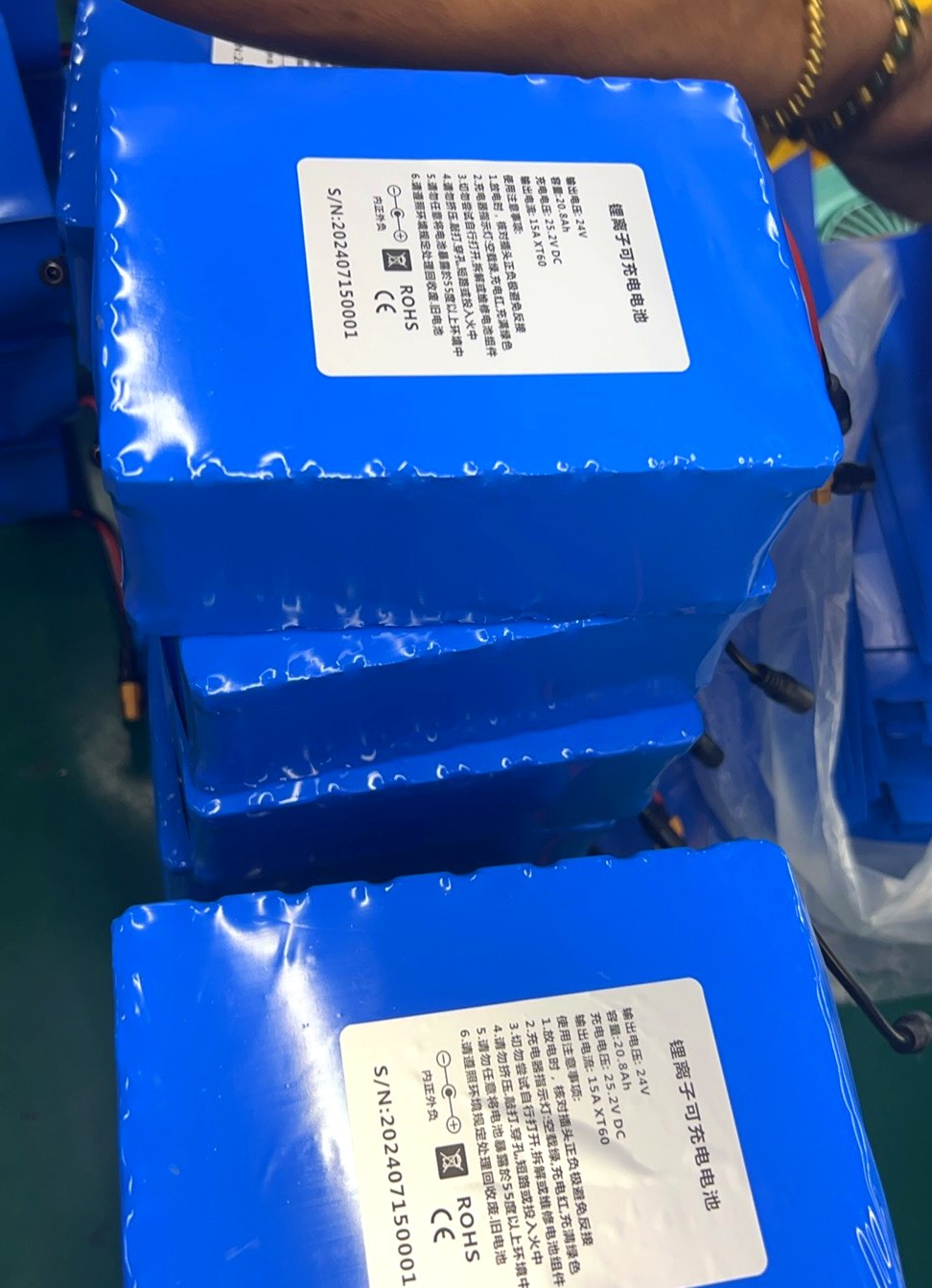
You supply the brand artwork; the factory applies it. But compliance does not transfer with the logo. As the brand owner you are responsible for market-level approvals in your country — CE marking for the EU, relevant local marks elsewhere. What the factory supplies as standard are the transport safety documents: UN38.3 test summary and MSDS, which every lithium shipment requires. If your market needs IEC 62133, CB or similar product certification, we can build and test to that standard on request, but the certification itself is arranged per your market. The cleanest projects are the ones where this split is agreed in writing before the first batch.
5. The cell-quality baseline you should require
This is the one clause worth putting in every private-label contract: the cells must be original-pack Grade A, with traceable sourcing. We only build with original-pack Grade A cells — never B-grade, never C-grade, ever. The reason is practical, not marketing — a B-grade or recycled cell may pass a bench test and fail in the field six months later, and on a private-label product the failure lands on your brand, not the factory's. Insist on a written cell-grade specification and, where possible, batch traceability, so a future warranty claim is a fact, not an argument.
6. Timeline and what to prepare before ordering
A private-label order moves through four steps: specification and quote, artwork confirmation, sample build, then production. Samples typically run about 7–15 days; mass-production lead time depends on volume and cell sourcing and is quoted per order. Before you start, prepare three things: the electrical spec (voltage, capacity, peak current), your logo and label artwork in vector or high-resolution form, and your target market's certification list. A photo of your current pack with a ruler beside it is often enough to begin — the factory can confirm fit and fill the gaps with you.
7. Private-label specification quick table
Use this as a starting template when you brief a factory. Every line is either a typical value or marked "on request" where it depends on your application — nothing here is a fixed promise until it appears in a written quote.
| Parameter | Typical / On request |
|---|---|
| Voltage range | 3.6V – 51.8V; custom series 1S–14S on request |
| Capacity | By application — typical 1.5Ah – 100Ah |
| Cells | Original-pack Grade A only (EVE / Lishen tier; Samsung SDI option) |
| BMS / PCM | PCM as standard; smart BMS with SMBus / CAN on request |
| Private-label MOQ | Power tools 20 / Drones 20 / Digital 100 / LiFePO4 storage 10 pcs |
| Branding | Your logo — silk-screen, laser engraving or label (artwork from buyer) |
| Certifications | UN38.3 + MSDS supplied; CE / CB / IEC 62133 on request |
| Lead time | Sample ~7–15 days; mass production on request |
Note: MOQ applies to a defined specification. A pack that requires entirely new tooling, a new certification path, or specially sourced cells may carry a different minimum — we confirm this in the quote, never after tooling.
Brief us on your private-label pack
Send your voltage, capacity, quantity and market — even a photo of your current pack is enough to start — and we reply within 24 hours with a specification proposal, branding options and pricing tiers. Samples are charged and credited to your first production order.
Quick Inquiry
Private label works best when both sides are clear about the split: you own the brand and the market; the factory owns the build and the safety. Set the cell-grade clause, agree the compliance line, and confirm the artwork early — and the first batch ships without the surprises that sink a new brand.
Related
Browse the product lines we build — each links to its own page: