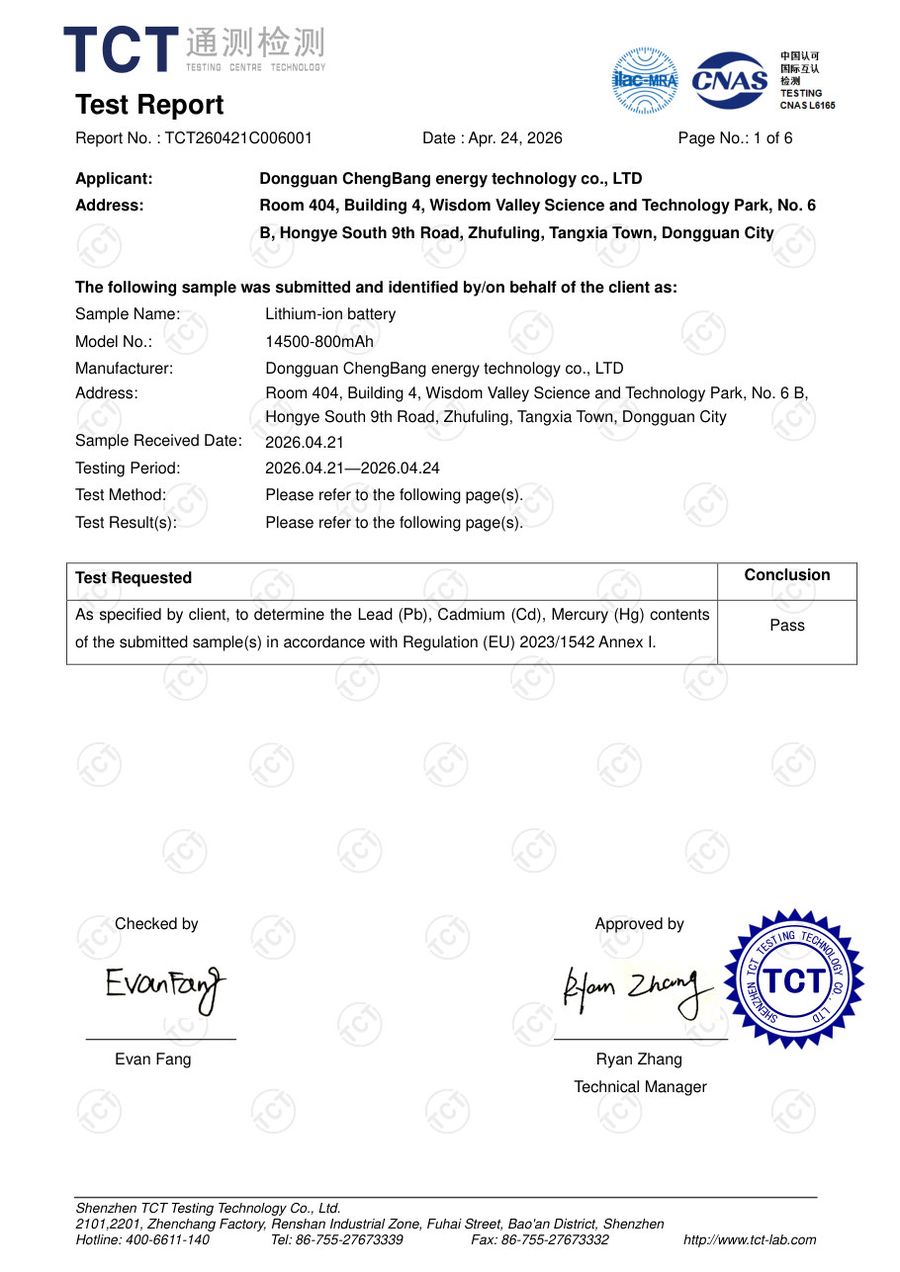
When a buyer in Germany and a buyer in Sydney ask for the "same" certified battery pack, they are really asking for two different things. The European Union and Australia share a common safety foundation (the IEC standards) but diverge in how compliance is declared, marked and enforced. For an importer, the cost of getting this wrong is a container held at the border or a product pulled from sale. This guide lays out the marks that matter and where each one applies.
1. There is no single global "battery certificate"
The first misconception is that a pack is either "certified" or not. In practice, certification is a stack of documents aimed at different authorities: a safety standard for the product, a conformity mark for the market, and a transport test for the shipment itself. A pack bound for the EU needs a different declaration than one bound for Australia, even when the underlying cell chemistry is identical. The practical move is to decide the target market first, then build the document set around it.
2. IEC 62133 — the common foundation
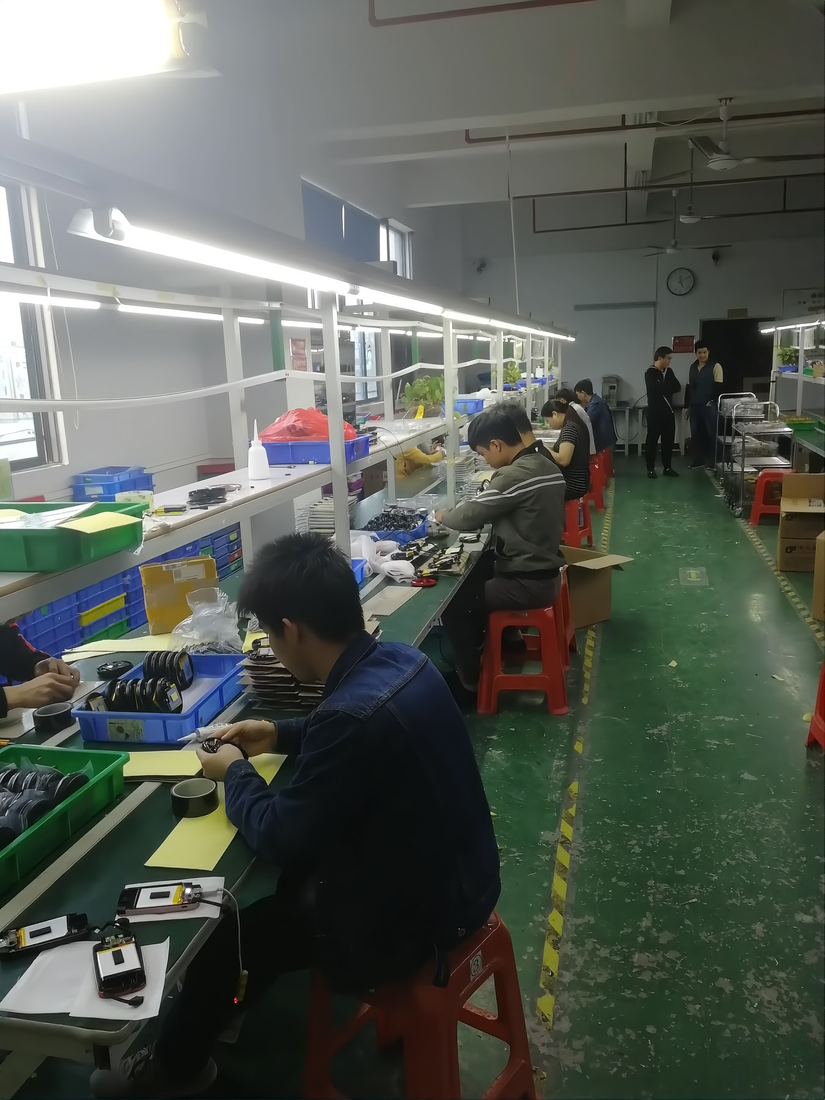
IEC 62133 is the international safety standard for sealed portable secondary cells and batteries containing alkaline or other non-acid electrolytes — including lithium-ion systems (covered by IEC 62133-2). It is the baseline that most regional schemes test against, so a pack designed to meet IEC 62133 starts from a strong position for almost any market. We only build with original-pack Grade A cells — never B-grade, never C-grade, ever. Certification bodies test the pack as built, so starting from certified-grade cells removes a common failure point before testing even begins.
3. CE marking for the European Union
For the EU, the relevant mark is CE. Lithium battery packs placed on the EU market fall under the EU Battery Regulation and applicable product directives, and the manufacturer issues an EU Declaration of Conformity backed by a technical file. CE is self-declared by the manufacturer — it is not a certificate issued by a government agency — which means the quality of your technical file is what the authorities will ask for in an audit. Build the pack to IEC 62133, document it, and the CE declaration follows.
4. The CB Scheme — test once, recognised widely
The IECEE CB Scheme lets a single test report, issued by an accredited national certification body, be accepted across 50+ member countries. For an importer serving both the EU and other CB members, a CB certificate based on IEC 62133 is often the most efficient route: one test, multiple markets. It does not replace each country's own marking step, but it removes the need to repeat the core safety test in every region. Lead time and cost depend on pack size and the chosen lab; we coordinate the test with the customer and provide the built samples.
5. Australia — RCM and AS/NZS alignment
Australia does not use CE. Products supplied there carry the RCM (Regulatory Compliance Mark) and are assessed against AS/NZS standards, which align closely with the IEC 62133 family for battery safety and with EMC/EESS rules for the product as a whole. Importers register through an authorised representative in Australia or New Zealand. The good news for a buyer sourcing from abroad: a pack already built to IEC 62133 maps cleanly onto the AS/NZS requirements, so the gap is usually paperwork and local registration rather than a redesign.
6. Transport still needs UN38.3
Neither CE nor RCM covers shipping. Every lithium battery pack moving by air or sea must pass UN38.3 — the UN Manual of Tests and Criteria transport test — and travel with the corresponding test summary and dangerous-goods packing. This applies to both markets and to any country in between. We provide the UN38.3 test report with each shipment, so your forwarder has the document the airline or shipping line requires before the battery is ever loaded.
7. Certification quick-reference
The table below summarises the marks an EU or Australian importer typically encounters. Specific lead times and fees vary by lab and pack size and are quoted on request — the point is to know which document each authority wants.
| Mark / Standard | Where it applies | Governing document | Who issues it | Chengbang support |
|---|---|---|---|---|
| IEC 62133 | International safety baseline | IEC 62133-2 (Li-ion) | Accredited test lab (e.g. TÜV, UL, SGS) | Pack built to the standard; test arranged per order |
| CE | European Union | EU Battery Regulation + applicable directives | Self-declared by manufacturer | Technical-file support on request |
| CB Scheme | 50+ IECEE member countries | Based on IEC 62133 | Accredited CB certification body | Test coordinated with customer |
| RCM | Australia & New Zealand | AS/NZS standards, EMC/EESS | Registered local certifier | Guidance and build-to-standard on request |
| UN38.3 | Air / sea transport worldwide | UN Manual of Tests | Approved test house | Test report provided with each shipment |
Note: certification scope, lead time and fees depend on pack chemistry, capacity and the chosen laboratory — confirm with us for your specific model.
8. What to tell your factory so certification goes smoothly
Most certification delays come from missing information, not missing tests. When you brief a pack OEM, state the target market (EU, Australia, or both), the intended application, the required marks, and any stated standards from your customer or regulator. Send the device model and, where relevant, the original pack's specifications. With those facts up front, a factory can build the pack to the right standard the first time and line up the correct test house — instead of rebuilding after tooling. We reply within 24 hours with a specification proposal and a certification path matched to your market.
Building for the EU or Australia? Send the market, get the path.
Tell us your target market and application, and we return a specification proposal with the certification route — CE, CB, RCM or UN38.3 — matched to your pack. Samples are charged and credited to your first production order.
Quick Inquiry
Certification is a route, not a mystery. Start from IEC 62133, declare to your market's mark, and keep UN38.3 ready for the journey — and your pack clears both the lab and the border without a redesign.
Related
Browse the product lines we build — each links to its own page: