Walk into any industrial supply shop in the Klang Valley and you will find the same gap: plenty of imported battery packs on the shelf, very few built locally. Malaysia is a strong assembler of electronics and a growing user of energy storage, but it has very little lithium pack manufacturing of its own. For buyers who need a custom voltage, a specific connector, or volumes below a tier-1 brand's MOQ, the practical source is a cluster that already does this work at scale — and Dongguan, in the Pearl River Delta, is the one most Malaysian importers reach for.
1. Malaysia's demand is outpacing local pack capacity
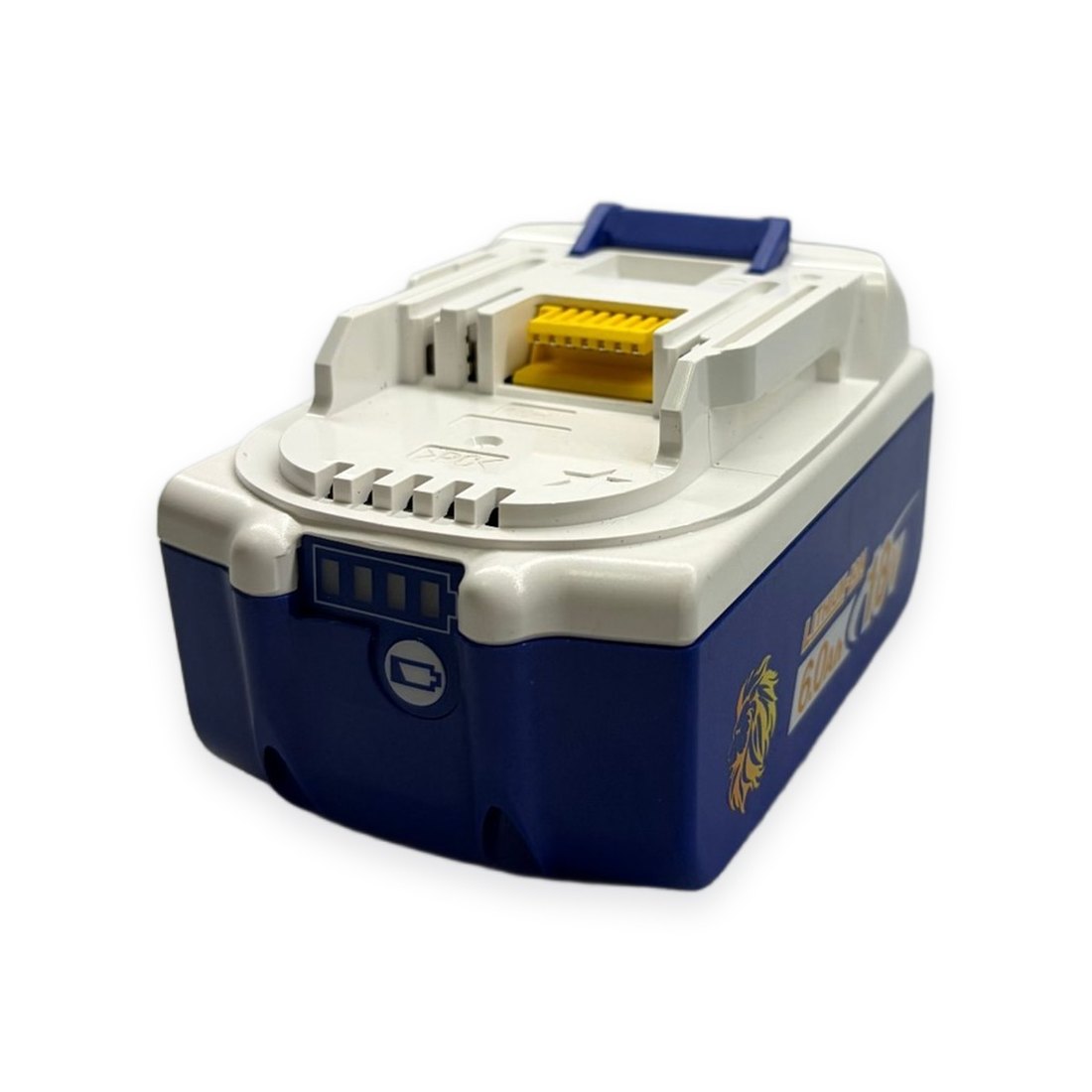
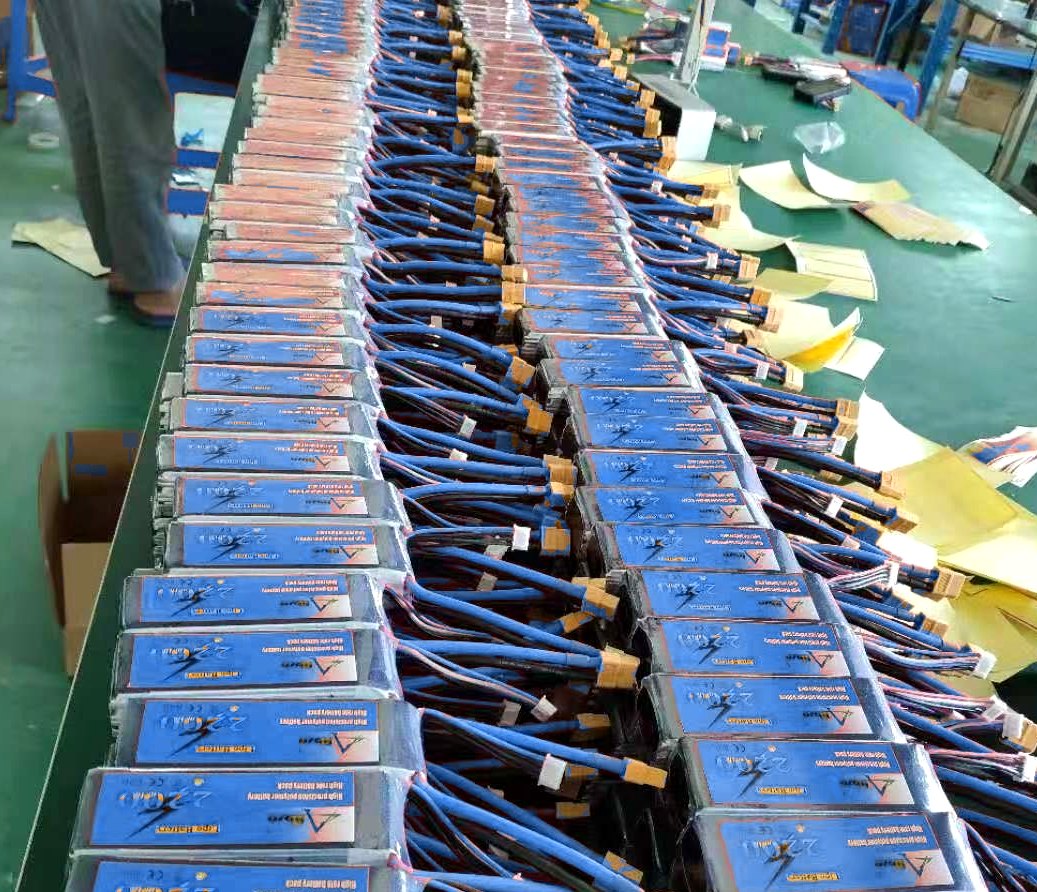
Three trends pull Malaysian buyers toward imported packs. First, solar and backup storage adoption is rising, and many installers want LiFePO4 packs sized to their own enclosures rather than a generic off-the-shelf unit. Second, power-tool and gardening-equipment distributors need replacement and compatible packs but cannot meet a tier-1 brand's minimum order. Third, a wave of robotics, AGV and drone projects on the Penang–Johor corridor need high-rate packs that simply are not made in Malaysia. None of these is served well by a local pack industry that barely exists — so the sourcing question becomes where abroad, not whether.
2. What Dongguan's cluster actually gives you
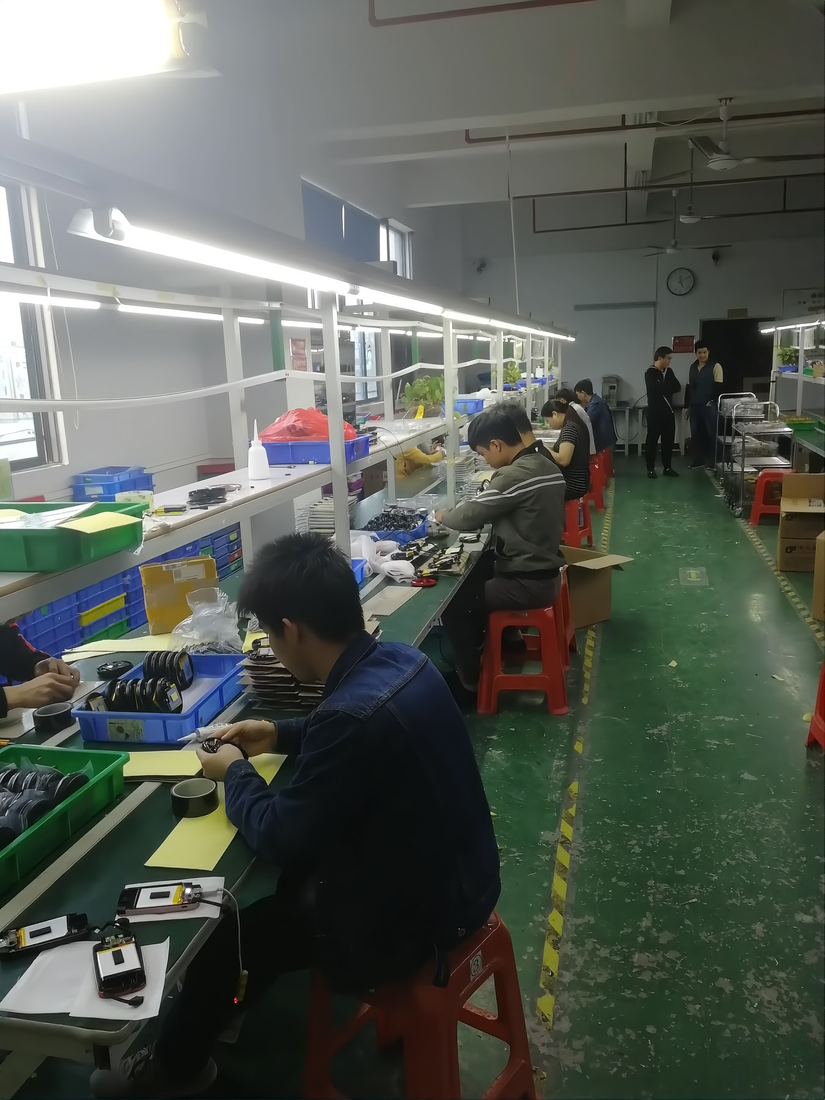
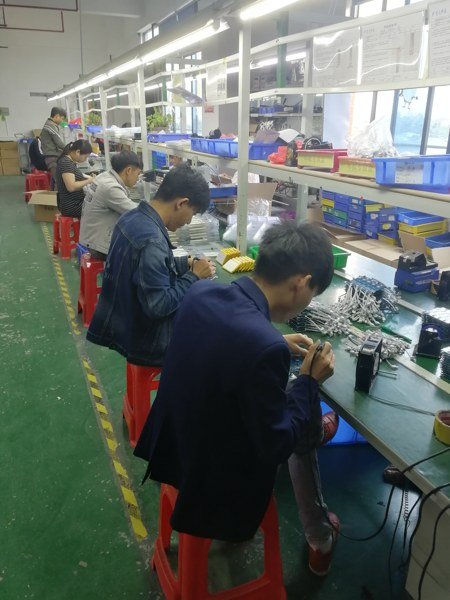
Dongguan is not one factory — it is a dense supply chain. Within an hour you can reach cell graders, BMS suppliers, nickel-strip welders, injection moulders and the freight forwarders who move dangerous goods every day. That density means two things for a Malaysian buyer: short iteration loops (a sample revision does not wait on a cross-province shipment) and competitive pricing because the factory is not paying a middleman to assemble a far-flung bill of materials. The cluster also makes it easy to mix cell brands by application — which is exactly why a pack builder there can stay brand-neutral.
3. Only genuine Grade-A cells — never B or C grade.
This is the point most buyers miss. A Dongguan OEM that does not manufacture cells is not a weakness — it is the reason the pack is built around your requirement, not the factory's leftover inventory. We specify grade-A cells from established makers per the application: high-rate cells for tools and drones, stable LiFePO4 for storage, and verified 18650/21700 for digital devices. Only genuine Grade-A cells — never B or C grade. Never. The cell is chosen for the job, and the buyer sees the choice in the specification sheet, not buried in a price.
4. How a Malaysian importer typically works with a Dongguan OEM
The pattern is consistent across buyers we work with. You send a brief — application, voltage, capacity, discharge, size, connector and target market. The factory returns a specification proposal and a priced quote. You approve a sample (charged, credited to the first order), test it in your device, then release production. Communication is over email and WhatsApp, and documents are issued in English. The whole sample-to-shipment loop is predictable enough to plan around, which is what makes offshore sourcing viable for a smaller Malaysian distributor.
5. Cost and lead-time reality (no surprises)
Below are the figures Malaysian buyers most often ask about. They are typical ranges for a custom/OEM order from a Dongguan pack builder; your exact numbers depend on cell grade, BMS type and enclosure. Anything we cannot confirm up front is marked "on request" rather than guessed.
| Parameter | Typical range / policy | Note |
|---|---|---|
| MOQ — all product lines | Flexible — set per project | Small batches and single-unit custom builds are possible; the number is driven by cell availability, tooling and your target price |
| Sample lead time | 7–15 days | Typical, depends on cell stock |
| Production lead time | 20–35 days | Typical / on request by order size |
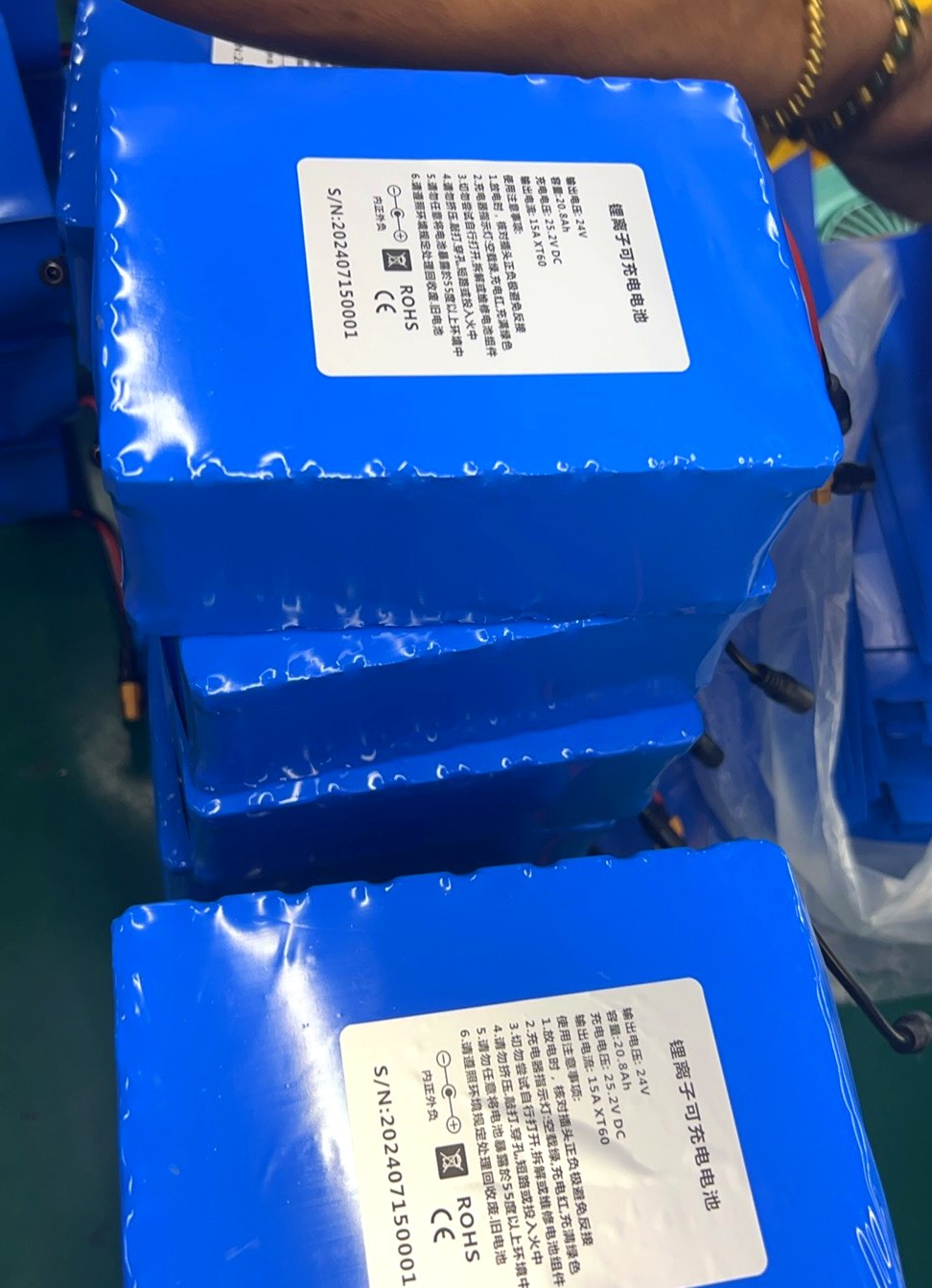
| Shipping certifications | UN38.3 + MSDS | Issued for lithium battery cargo |
| Product certifications | IEC 62133 / CE | On request by destination market |
| Cell communication | SMBus / CAN / none | Typical, per device requirement |
6. Certifications and shipping on the Malaysia route
Lithium batteries are regulated cargo, and the Malaysia lane is well served by experienced forwarders. For air or sea freight you need UN38.3 test summary and an MSDS; the factory issues these as part of the shipment paperwork. For the product itself, IEC 62133 and CE cover most Malaysian and wider-ASEAN resale needs — confirm with your own certification body before listing a product. We do not invent certifications: if a document is not issued, we say so and point you to the right testing route rather than shipping a pack with a claim we cannot back.
The Malaysian side: what you must check yourself
Import duties, market-access approvals and tax are the buyer's responsibility, not the factory's. The table below is the checklist Malaysian importers most often forget — and the honest split of who handles what. Nothing here replaces a check with your own certification body or customs broker.
| Requirement | Who handles it | What to confirm |
|---|---|---|
| SIRIM approval | Importer / local licence holder | Some electrical product categories require SIRIM approval before they can be sold. Ask your certification body whether your SKU is in scope. We do not hold SIRIM approval and do not claim it. |
| MCMC type approval | Importer | Applies where the finished unit contains a radio module — Bluetooth, Wi-Fi or app-controlled packs and power stations. Confirm per model, not per shipment. |
| Import permit (AP) | Importer | Certain categories are controlled goods. Your customs broker confirms whether an AP is needed before the cargo is booked — not after it lands. |
| HS code and duty | Customs broker | Lithium battery packs generally fall under HS 8507.60. Classification and the applicable rate are settled at declaration by your broker; we supply the product data they ask for. |
| SST / tax | Importer of record | Sales and service tax is assessed on import value. Build your landed cost with your own accountant before you price the goods for resale. |
| Dangerous goods paperwork | Us + your forwarder | UN38.3 test summary and MSDS are issued with the shipment. Final acceptance of the cargo rests with the airline or shipping line, so give the documents to your forwarder early. |
If a supplier tells you "SIRIM is already done" without naming the certificate holder, ask for the certificate number and the company name on it. Approval follows the importer or licence holder, not the factory that built the pack.
7. How to pick a real factory (and skip the trading companies)
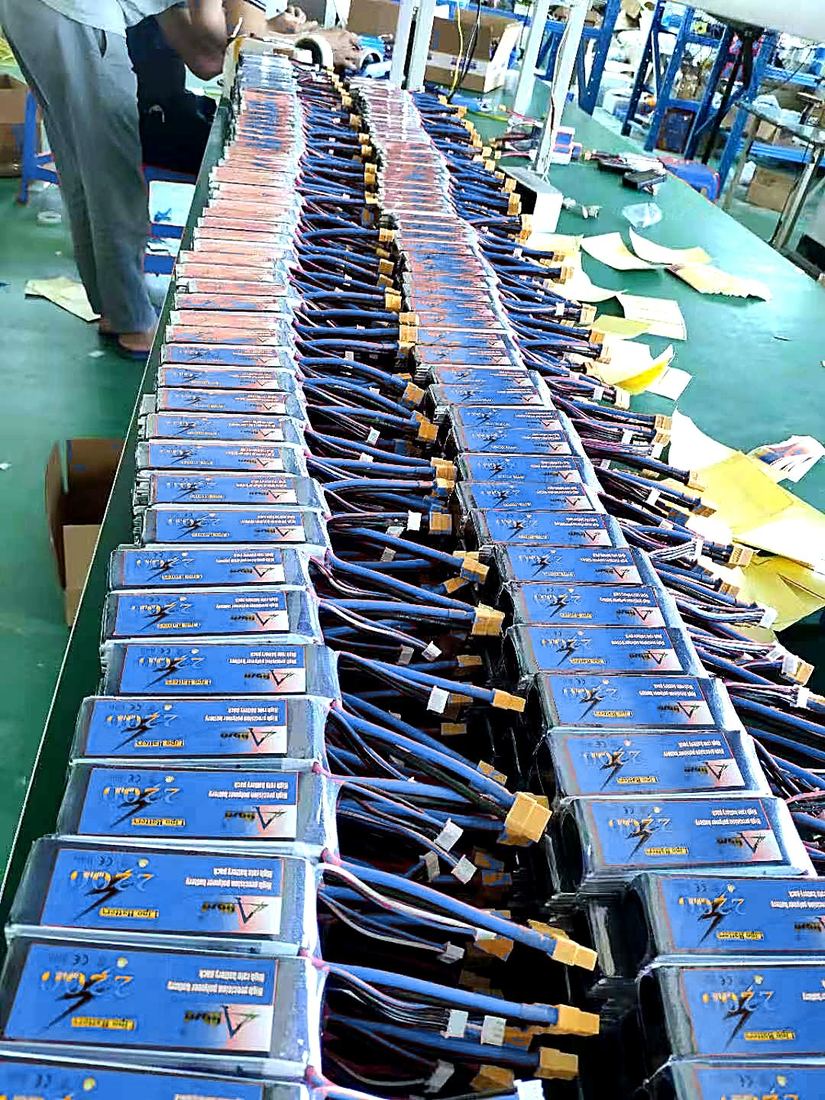
Dongguan has genuine pack manufacturers and a long tail of trading companies that resell someone else's build. Tell them apart before you pay: ask for the workshop and cell-sorting photos (a real factory has both), ask which cell brands they grade and whether they can show the grader, and ask who issues the UN38.3 — a trading company will hesitate. A real OEM is happy to walk you through the build and name the cells on the specification sheet. If a supplier cannot tell you the exact cell inside your pack, that is the answer.
Send your brief and get a priced proposal
Tell us the application, voltage, capacity, discharge, size and connector — even a photo of your current pack is enough to start. We reply within 24 hours with a specification proposal and pricing tiers. Samples are charged and credited to your first production order.
Quick Inquiry
Sourcing from Dongguan is not a leap of faith — it is a process with a clear brief, a sampled proof, and documents you can verify. Malaysian buyers who treat it that way get packs built to their spec at a price a local shop cannot match, without the risk that comes from buying a name you cannot trace.
Related
Browse the product lines we build — each links to its own page: