The most expensive mistake in a custom pack project is not a bad cell — it is the wrong cell for the job. We regularly see buyers arrive with a quote built around premium cells they do not need, or a low-cost cell that cannot survive the application. Because we are a pack builder, we select cells to fit your application — and we build only with genuine Grade-A cells from original brands, never B or C grade. This guide is the same framework we walk buyers through before a single sample is built.
1. Start from your product, not the catalogue
Four questions decide the cell family long before any brand is named:
- Energy or power? Does your product need to run a long time (runtime) or deliver a big burst of current (power tools, drones, robotics)? Energy favours high-capacity cells; power favours high C-rate cells.
- How many cycles? A pack cycled daily in solar storage lives or dies on cycle life. A pack used occasionally in a medical device cares far less.
- Size and weight ceiling? Energy density sets how small and light a given capacity can be. If the enclosure is fixed, this single number rules out whole chemistries.
- Environment and safety class? High-temperature, enclosed or always-on installations move the choice toward thermally stable chemistries.
Answer those four and the cell shortlist usually collapses from "everything" to two realistic options.
2. The four cell families, in plain terms
The packs we build draw from four cell families. For the full capacity, discharge and cycle-life numbers, see our 18650 vs 21700 vs LiFePO4 comparison; in short:
| Cell family | Strength | Trade-off | Typical use |
|---|---|---|---|
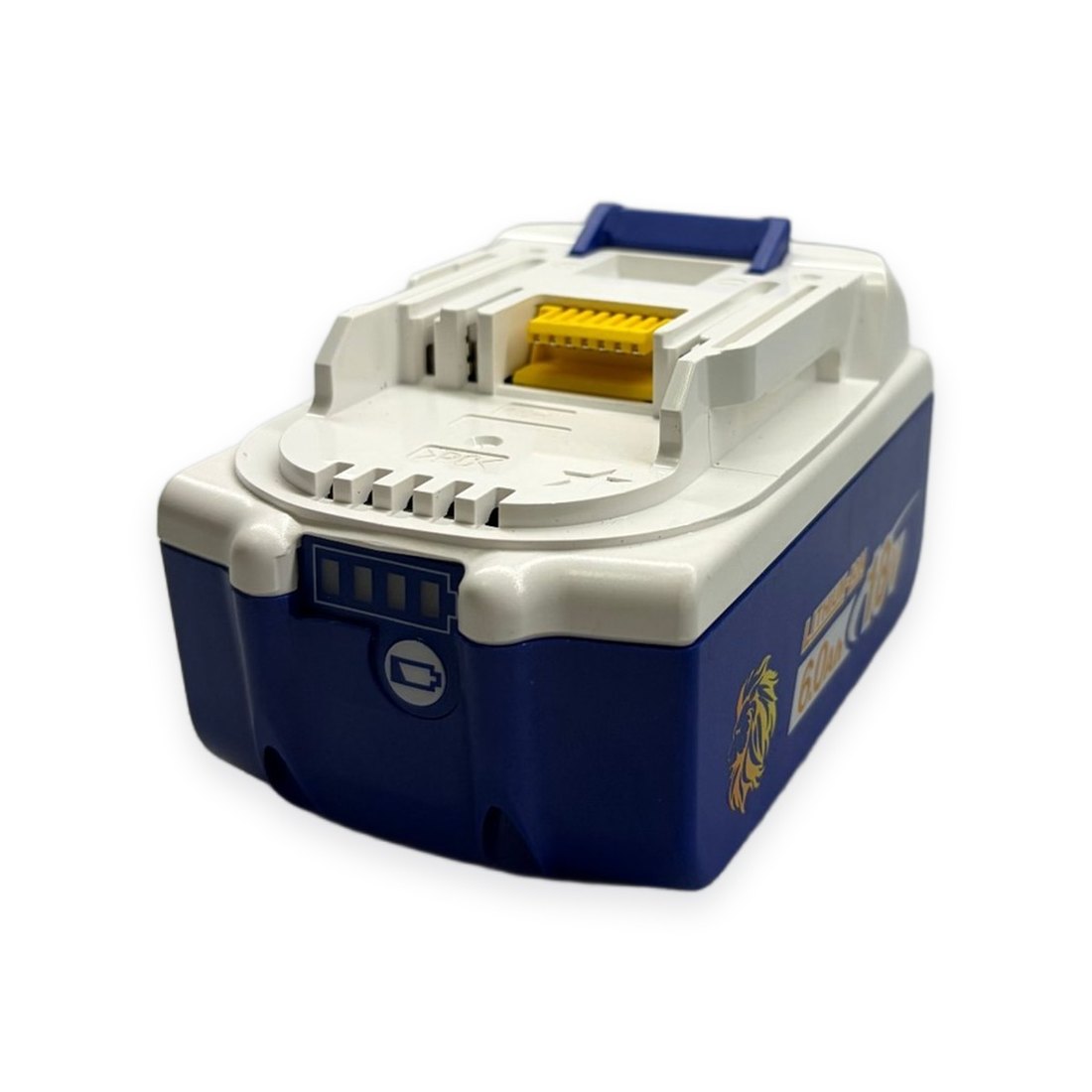
| 18650 (cylindrical, NMC) | Mature, low-cost, easy to source | More cells needed for high capacity | Compact power tools, consumer devices |
| 21700 (cylindrical, NMC) | Higher capacity per cell, fewer welds | Slightly higher per-cell cost | High-drain tools, e-bikes, portables |
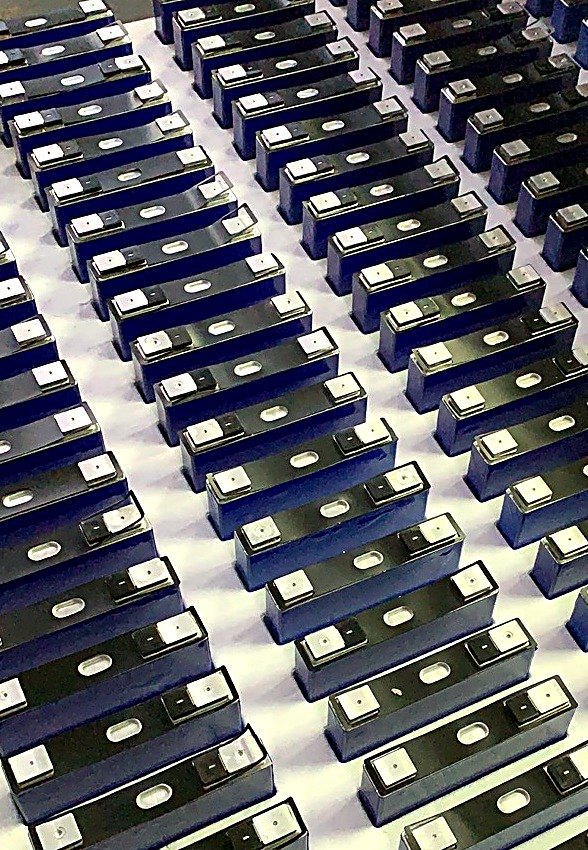
| LiFePO4 (prismatic) | 3–5× the cycle life, very stable | Heavier, lower energy density | Solar storage, RV/marine, backup |
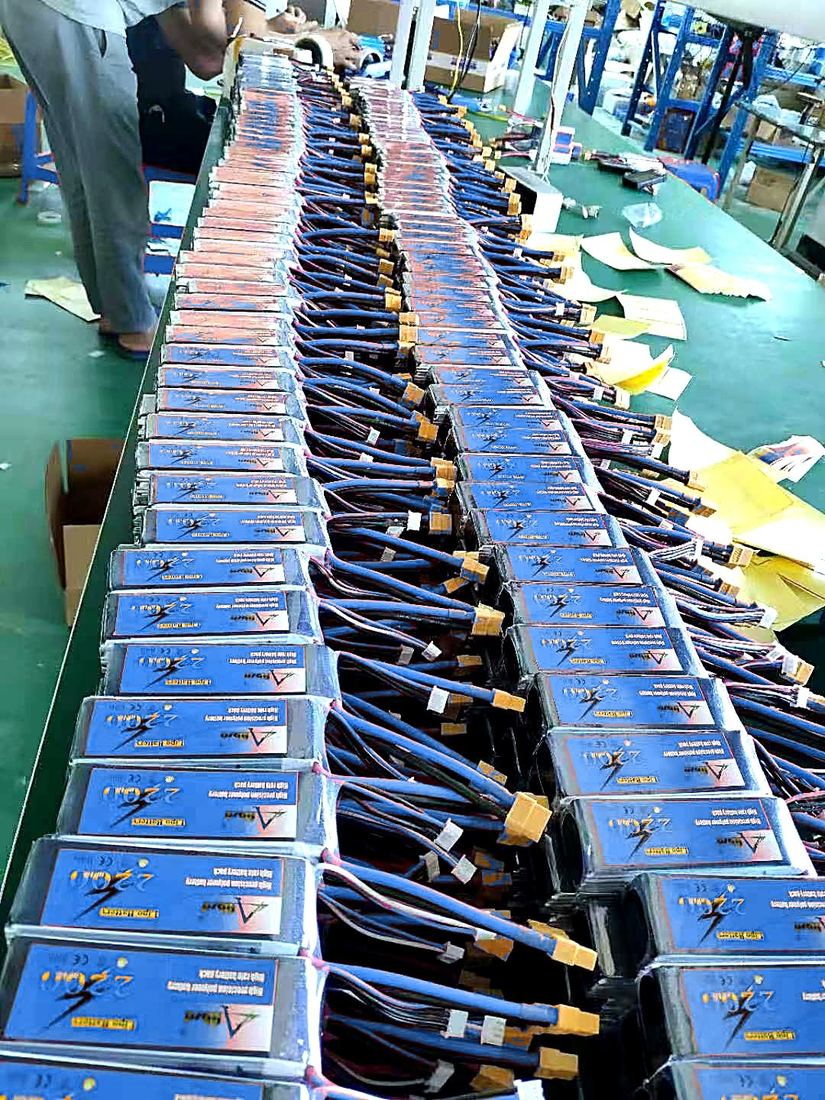
| High-rate pouch (Li-polymer) | 45C–160C burst, light | Needs careful fixturing | Drones / UAV, FPV, RC |
3. Match the cell to the application
| Your product | Recommended cell | Why |
|---|---|---|
| Cordless power tool | 21700 power grade | Balances high current with cycle life |
| Industrial drone / UAV | High-rate pouch | Discharge rate and weight decide flight |
| Solar / off-grid storage | LiFePO4 prismatic | Lowest lifetime cost at daily cycling |
| Replacement for a legacy device | Matched to original | Fit and interface matter more than chemistry |
| Slim consumer / digital | Li-pouch | Shape freedom and low profile |
4. The two specs buyers over-pay for
Two specifications quietly inflate quotes, and most projects do not need the top tier:
- Cycle life. If your product is not cycled daily, paying for 3000-cycle cells instead of 800-cycle cells is money spent on a lifespan the device will never reach. Match the cycle rating to how the product is actually used.
- C-rate. A continuous 10C cell costs more than a 3C cell. If your load is steady, the headroom is wasted. State the real continuous and peak current and let the factory size the cell honestly.
A good pack builder will tell you when you are over-specifying. One that only sells you the premium tier will not.
5. Shipping and certification filter
Every lithium pack ships as regulated cargo, so the cell choice affects paperwork and freight:
- UN38.3 and MSDS apply to all lithium chemistries — they are a baseline, not a differentiator.
- Weight drives freight. LiFePO4's lower energy density means a given capacity weighs and ships heavier; for air freight this is a real cost line, not a footnote.
- Product certifications (IEC 62133 / CE / CB) are about the pack design, not the cell alone — confirm early so the build does not need a redesign after tooling.
6. How we help you choose
Because we do not manufacture cells, we select A-grade cells from established tier-1 suppliers across three quality tiers — and we will tell you plainly which tier your application actually needs. Send us four numbers — rated voltage, operating current, daily cycling and your size/weight limit — and we return two or three cell options with the cost difference spelled out, so you are never paying for a spec you will not use.
Get a cell recommendation for your product
Tell us your device parameters — even a photo of the current pack is enough to start — and we reply within 24 hours with two or more cell options and their pricing tiers. Samples are charged and credited to your first production order.
Quick Inquiry
Related
Browse the product lines we build — each links to its own page: