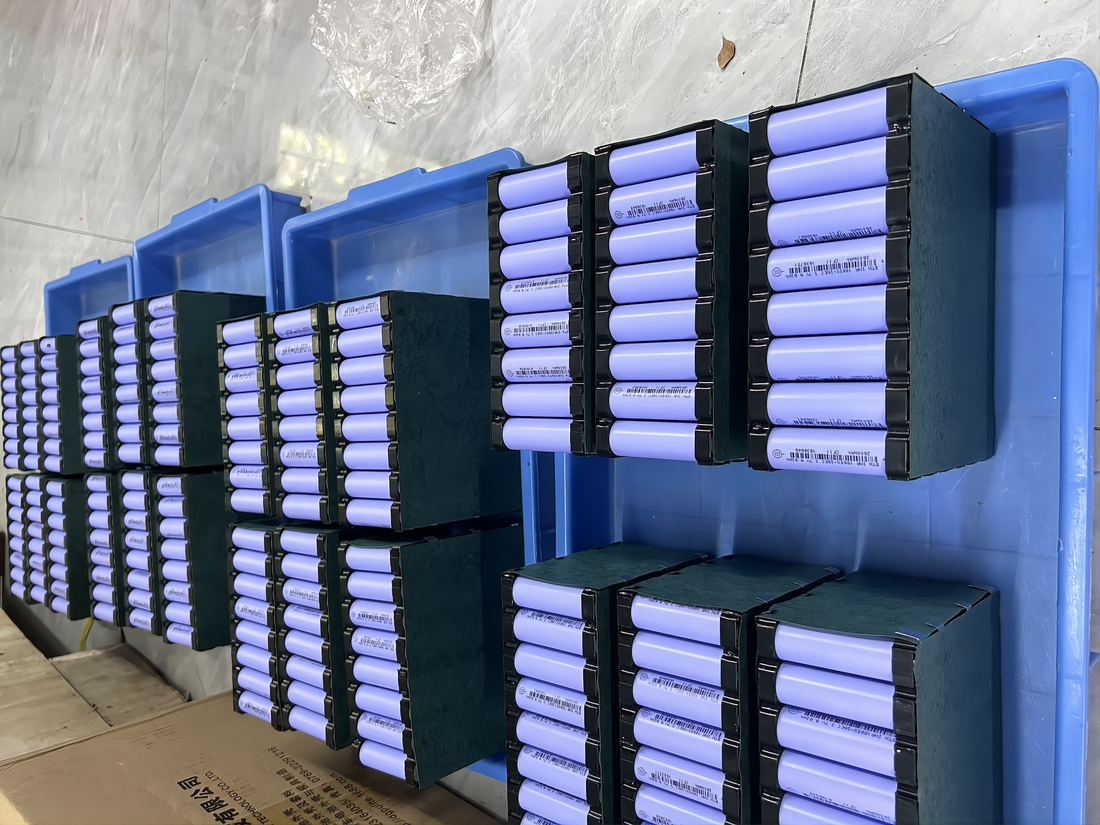
When a battery pack OEM says "we use Grade-A cells," the phrase can mean very different things. For a buyer, the grade of the cells inside the pack is one of the strongest predictors of how long the pack lasts, how safe it is, and whether every unit performs the same. This guide explains what "Grade-A" actually refers to, how it differs from B and C grade, and the questions worth asking before you place an order.
1. What "Grade-A" actually refers to
In the lithium cell industry, "Grade A" most often means original-pack cells — cells that came from a branded cell maker's own production line, in their original packaging, and passed that maker's full outgoing quality check. They carry the maker's printed code, a traceable batch, and matched specifications. When we say original-pack Grade A, we mean genuine cells bought through a proper channel, not loose cells of unknown origin. The "original-pack" part matters: it is the difference between a cell with a documented history and one whose past you have to guess at.
2. Grade A vs B vs C — what the letters mean
The letters describe how completely a cell passed its maker's quality screen. The table below shows the practical difference. Figures are typical and depend on the specific cell model — they are a guide to the category, not a spec for any one cell.
| Grade | Capacity vs label | Internal resistance | Cycle life (typical) | Traceability | Where it belongs |
|---|---|---|---|---|---|
| Grade A (original-pack) | Matches rated capacity | Low and tightly matched | 800–2000+ cycles (cell-dependent) | Batch-traceable from maker | Production packs |
| Grade B | Often 90–98% of rated | Wider spread | ~300–800 cycles (typical) | Weak / limited | Low-risk, non-critical only |
| Grade C | Unpredictable; may be recycled / rejected | Very wide | Not recommended for production | None | Not for production use |
B and C grade are not "fake" — they are cells that did not fully pass a brand's QA, or were recovered from other sources. They have legitimate uses in the right context, but they should never arrive in your pack wearing a Grade-A label.
3. Why grade decides how a pack actually performs
A pack is only as consistent as its weakest cell. In a series string, one weaker cell forces the others to compensate and ages faster — so B- and C-grade packs drift, sag under load, and swell earlier. Grade A cells with matched internal resistance keep the string balanced, hold capacity longer, and let the BMS do its job instead of fighting a bad cell. For buyers this shows up as fewer field failures and a longer usable life.
4. How a pack builder should verify the cells
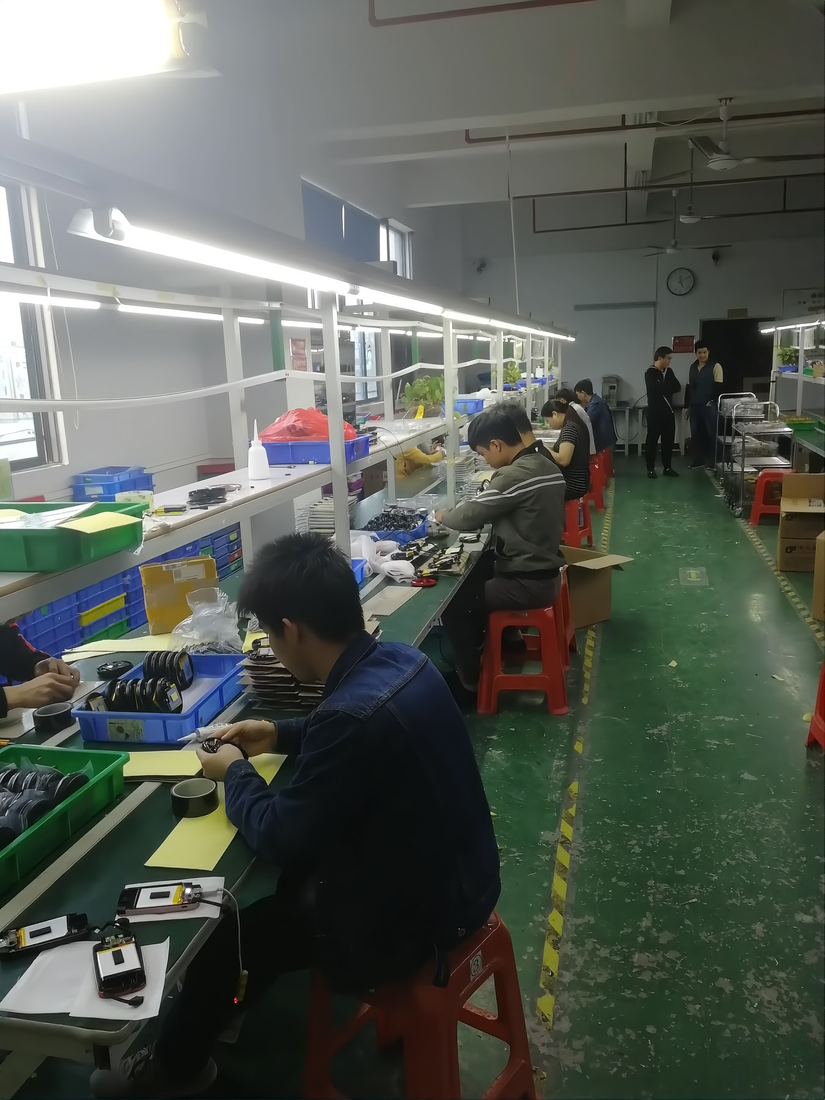
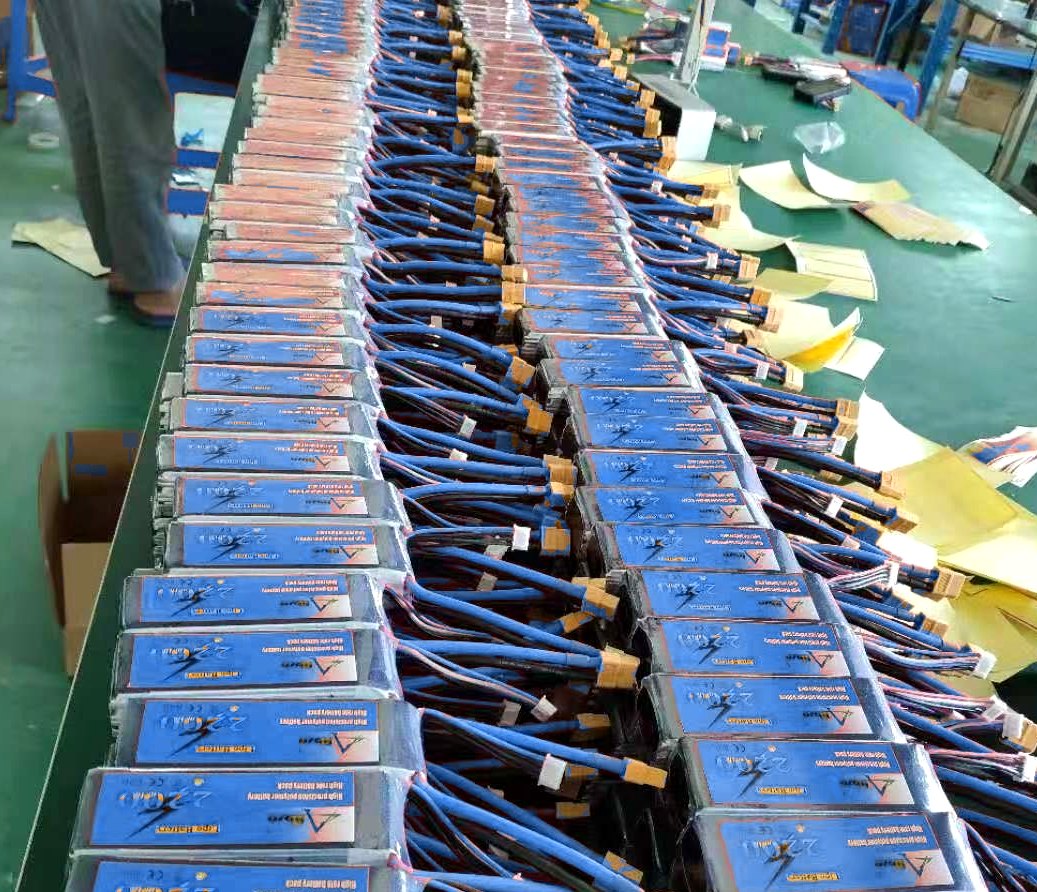
Good builders do not just trust a label. They sort cells by capacity and internal resistance on a sorting machine, match them within a tight tolerance before assembly, and keep batch records. We run a cell-sorting step for every build. Ask your supplier whether they can show the sorting tolerance and the source of the cells. A builder who cannot answer is a builder who may be guessing — and you would be the one carrying the risk.
5. Why we only build with original-pack Grade A cells
We are a pack builder, not a cell maker, so the cells we choose are the single biggest lever on pack quality. We only build with original-pack Grade A cells — never B-grade, never C-grade, ever. That is a deliberate policy, not a marketing line: it is what lets us quote a pack that performs the same on the thousandth unit as on the first. It also means we can be straightforward about what is inside your pack, because the cells have a documented origin.
6. What to ask your supplier about cell grade
A short checklist of questions worth putting in writing before you order:
— Are the cells original-pack Grade A from a named maker, or loose / "compatible" cells?
— Can you provide the cell maker and model, and a batch trace?
— What sorting tolerance do you apply before assembly?
— What does your warranty cover if a cell fails early?
If the answers are vague — "Grade A, trust us" — that vagueness is the answer. A supplier who builds with documented Grade A cells can tell you exactly what is inside, and will.
7. The real cost of "saving" on lower-grade cells
Lower-grade cells look attractive on a quotation, but the savings rarely survive contact with the field. Early capacity loss means returns, warranty claims and a damaged reputation with your own customers — costs that dwarf the per-cell saving. For any pack that people depend on, the safe choice is the one you can document. Grade A is not the expensive option; it is the option whose cost you can actually predict. (Cell grades and cycle figures above are typical and model-dependent; confirm the exact cells for your build on request.)
Specify your pack with documented Grade A cells
Tell us your application, voltage, capacity and quantity — and if cell grade matters for your market, say so. We reply within 24 hours with a specification proposal built on original-pack Grade A cells. Samples are charged and credited to your first production order.
Quick Inquiry
Not every project needs the same cell, and a good factory will help you match the grade to the risk — a disposable consumer item and a medical device are not the same conversation. The point of asking is simple: you should be able to name what is inside your pack, and the supplier should be able to prove it.
Related
Browse the product lines we build — each links to its own page: