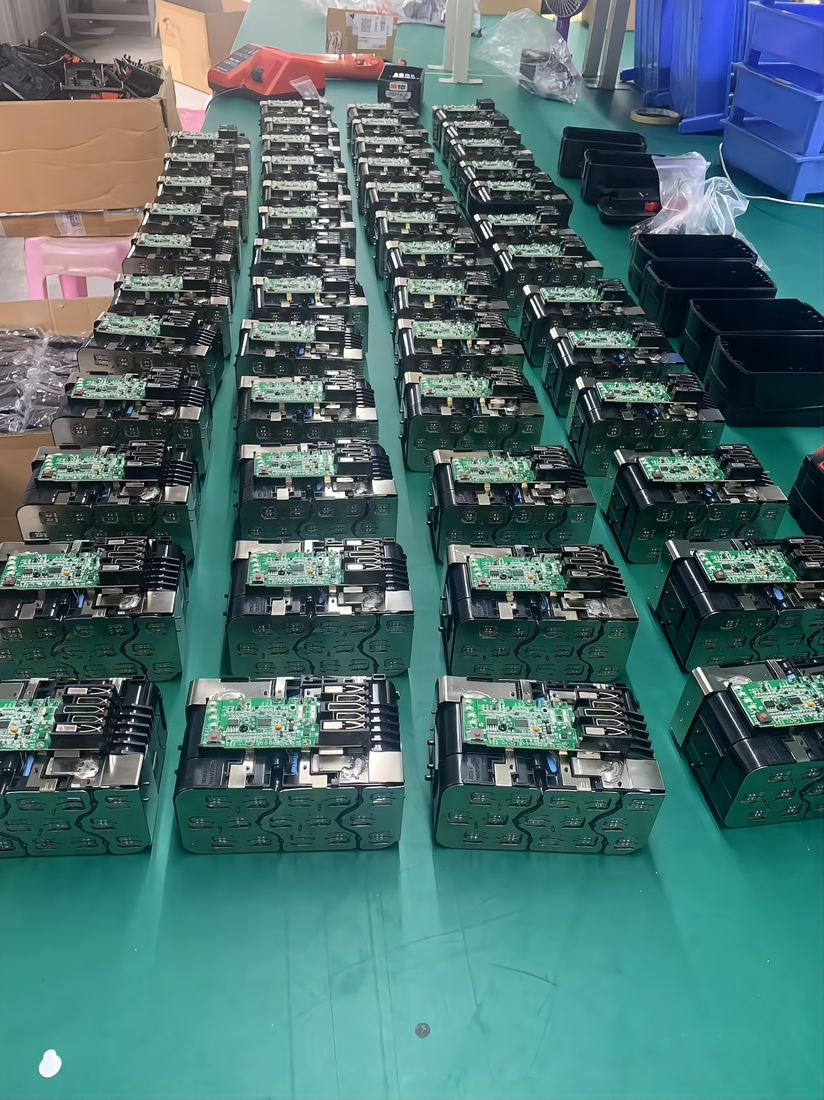
Many valuable devices are retired not because they break, but because their battery is no longer sold. Medical carts, industrial scanners, older power tools and regional equipment variants all reach a point where the original pack is gone from the market. A drop-in replacement module — a battery pack built to slot into the original cavity, with the original connector and voltage — is the practical way to keep that device working. This guide explains what "drop-in" means, how we design one, and what to send us to start.
1. What "drop-in" actually means
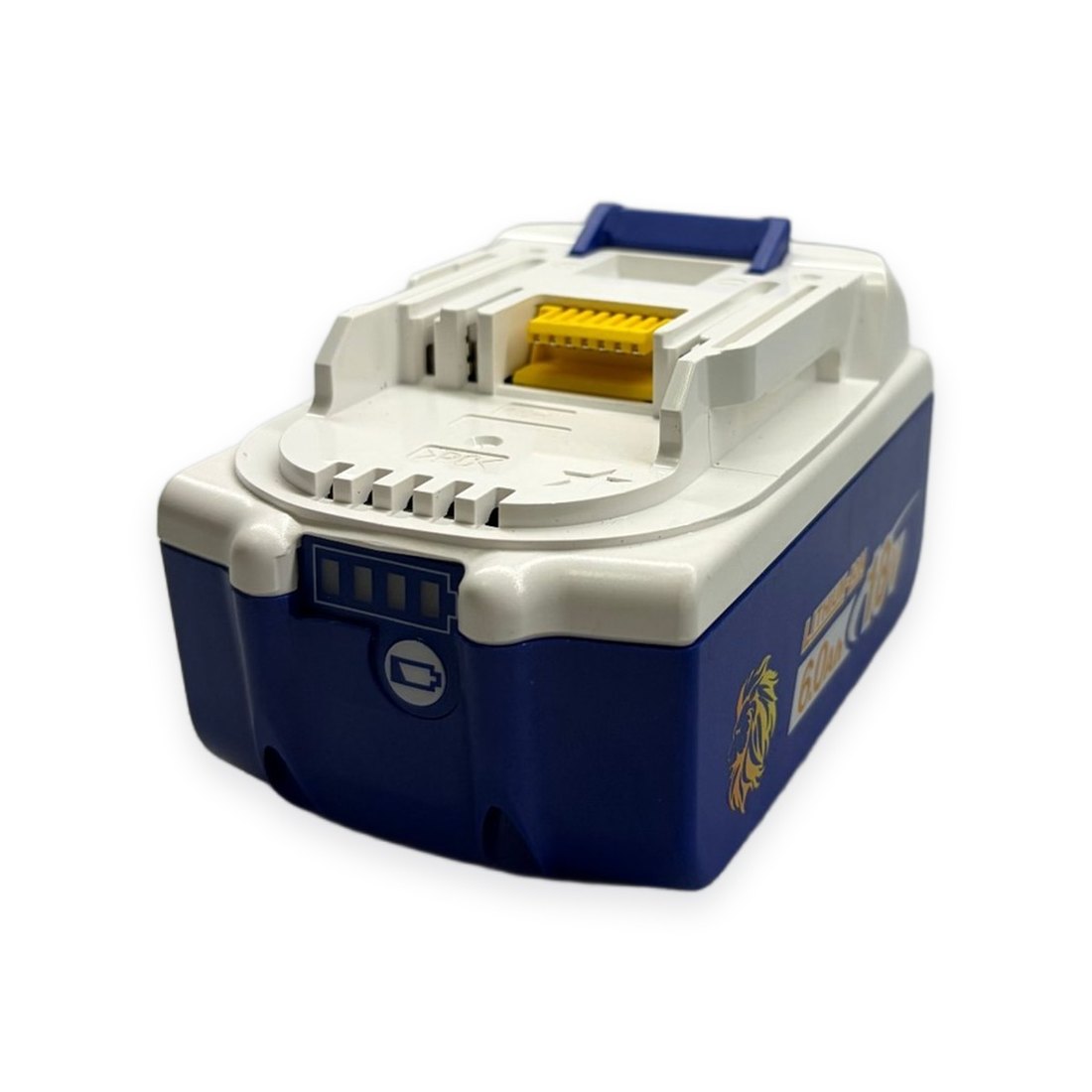
A drop-in module is a replacement battery built to the original's physical and electrical envelope: same voltage, same connector and pinout, same outer size and locating features. The user swaps it in without modifying the host device. It is distinct from a "modified off-the-shelf pack," where you adapt an existing pack to fit. Drop-in means the pack is made to the device — not the device made to fit the pack.
2. When a legacy device needs a custom module (not a catalogue pack)
Catalogue packs cover current, high-volume models. Legacy and niche devices — discontinued power tools, older medical equipment, regional variants, end-of-life robotics — often have no equivalent on the shelf. If the original part number is no longer supplied, or the only "replacements" available look like unknown-grade cells in a copied shell, a custom module is the safer route. You get a pack matched to the real device instead of a generic guess.
3. The reverse-engineering step: from a sample or a photo
We start from what you already have. A physical sample is best: we measure the envelope, photograph the connector and pinout, and trace the original cell configuration where it is safe to do so. A clear set of photos with a ruler beside the pack works too — enough to confirm voltage, polarity and mounting. No engineering drawings are required to begin. This is a compatible replacement product; we are not affiliated with, authorised by or endorsed by the original equipment manufacturer.
4. What we match — and what we can improve
The table below lists the parameters we confirm from your sample, and where we can upgrade the build without changing the fit. Anything we cannot verify up front is marked typical or on request — we do not invent numbers.
| Parameter | What we match / typical |
|---|---|
| Voltage / series | Matched to original (e.g. 10.8V / 3S, 14.4V / 4S) — confirmed from sample |
| Capacity | Typical 2000–4000 mAh per cell, depends on cavity; final value on request |
| Cell format | 18650 / 21700 / Li-ion pouch — selected from teardown |
| Connector & pinout | Matched to original; reverse-engineered from sample |
| Protection | BMS / PCM: over-charge, over-discharge, short, over-temp; communication on request |
| Enclosure | Matched to original cavity; custom moulding on request |
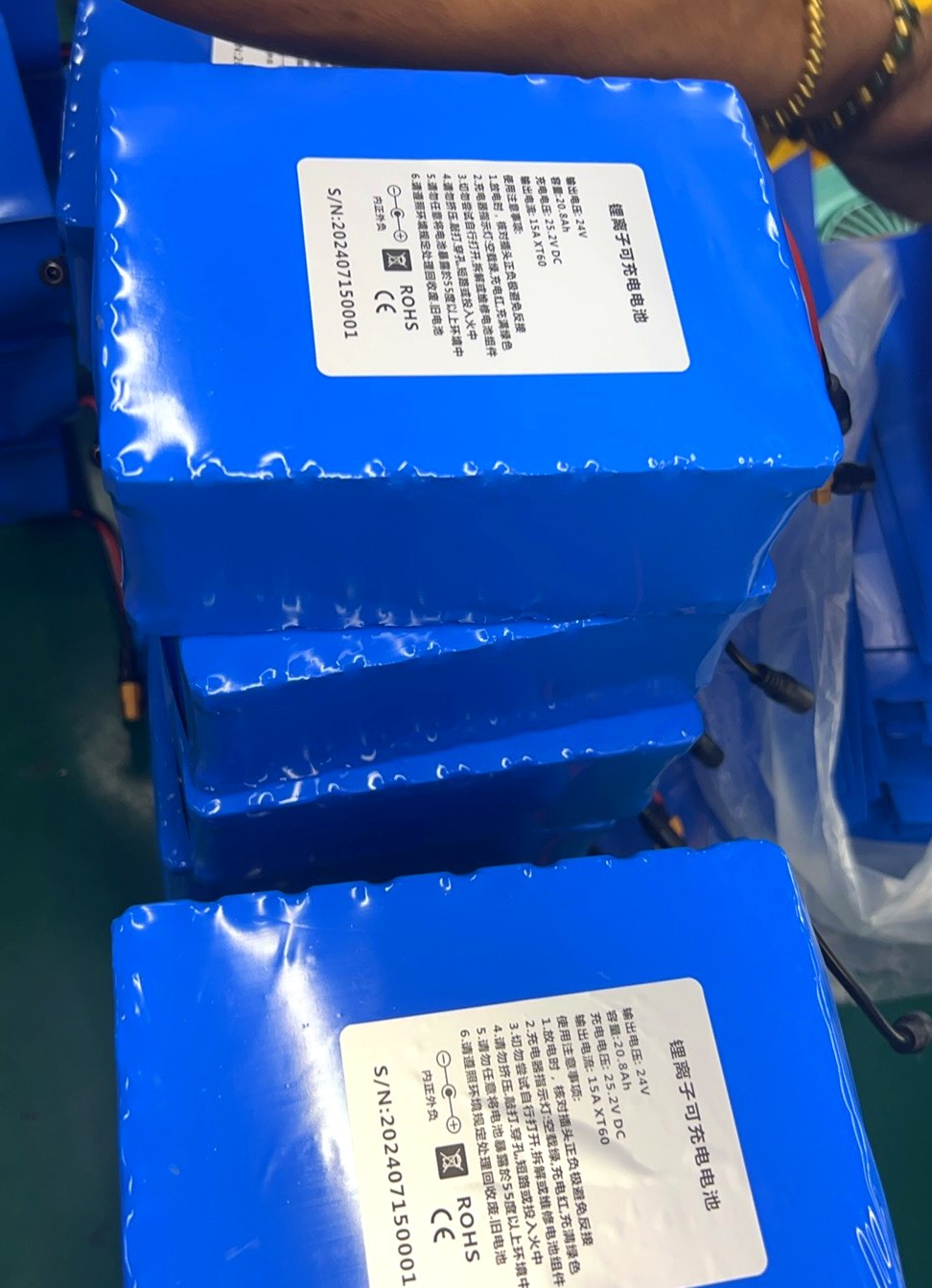
| Certifications | UN38.3 + MSDS for shipping; IEC 62133 / CE on request |
5. Why Southeast Asian service centers and distributors stock them
In markets such as Malaysia, the Philippines and Vietnam, a large installed base of older tools, medical and industrial devices keeps running because local workshops can still source a battery. Stocking a small range of made-to-sample modules lets a service center revive devices that competitors would write off. For distributors, drop-in modules turn "no longer available" into a repeatable, margin-able sale — and they ship as regulated cargo with the right documentation. (Regional demand is indicative; confirm your local import rules before stocking.)
6. Cell quality is what separates "works once" from "lasts"
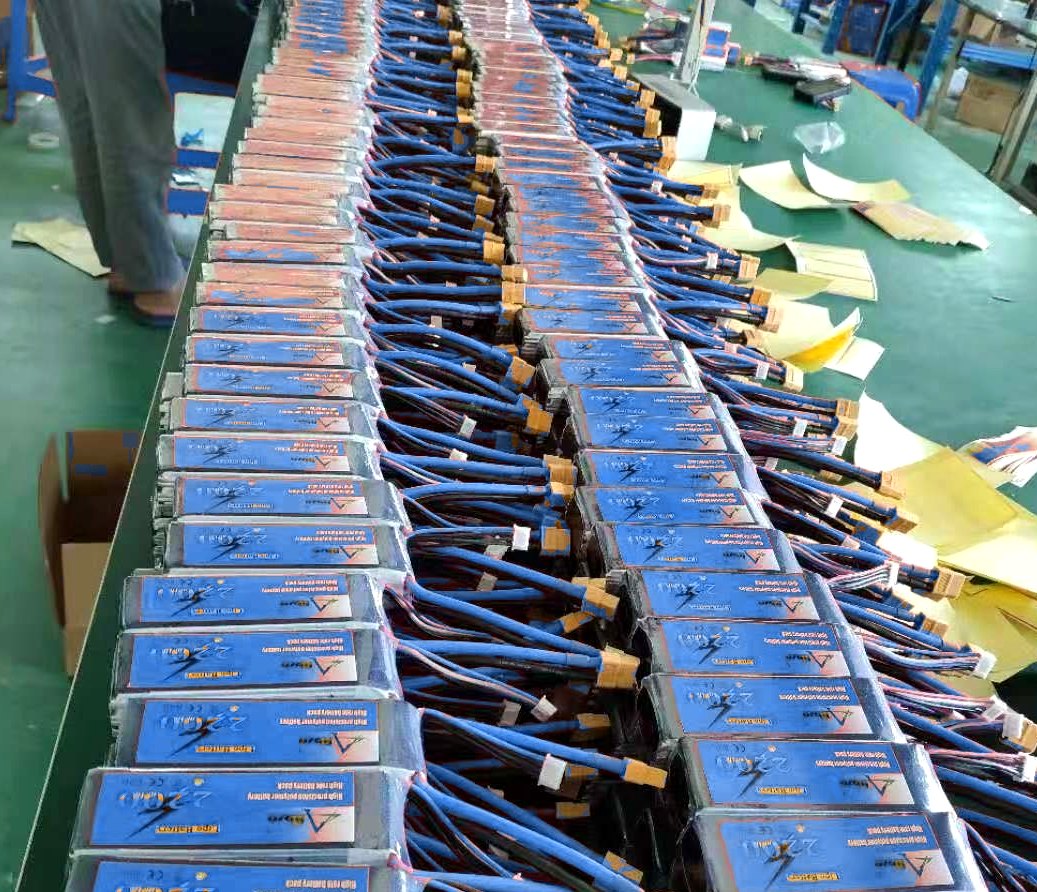
A replacement that lights up on day one but sags or swells within a month does more harm than no replacement at all. We only build with original-pack Grade A cells — never B-grade, never C-grade, ever. Combined with a matched BMS/PCM and a verified envelope, that is what keeps a legacy device running reliably for years, not weeks. For devices that people depend on — medical, industrial, field tools — that difference is the whole point.
7. Lead time, quantity and what to send us
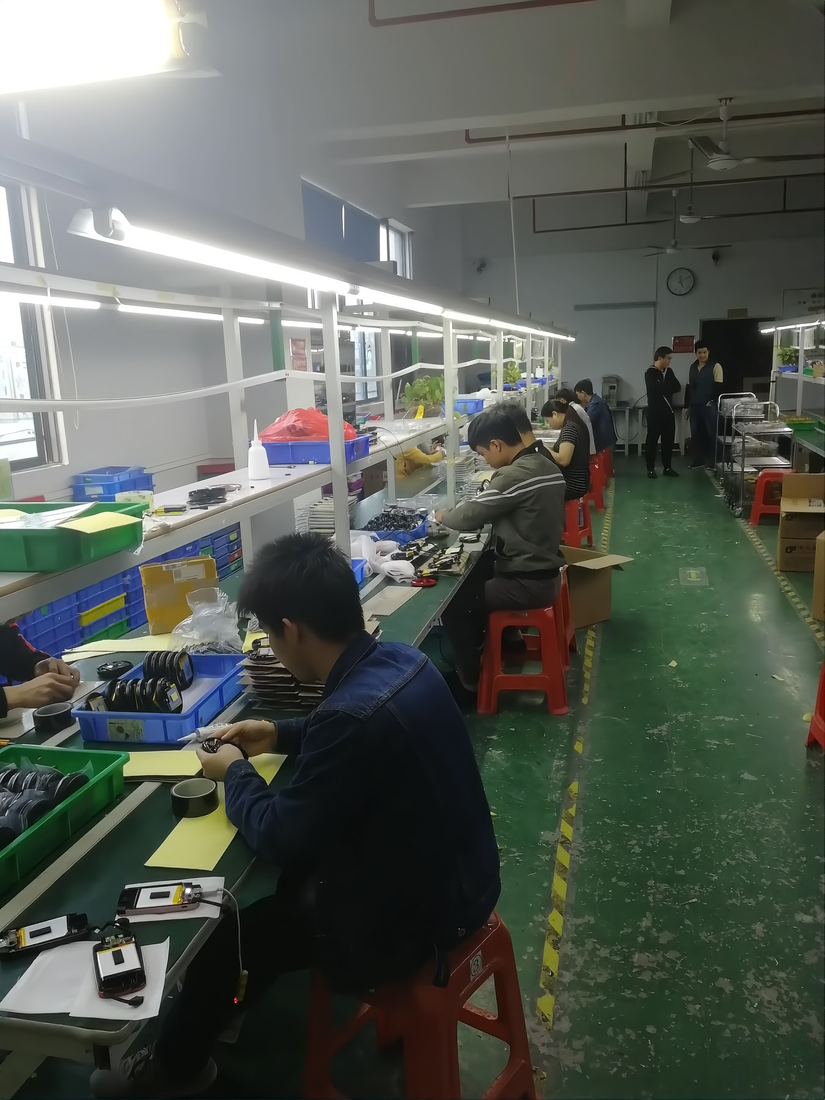
There is no MOQ — any quantity, from a single sample to a full container. We are a pack builder, so we do not set a minimum order. Samples are charged, and the sample hardware cost is credited in full against your first production order. Send a photo of the original pack (or the pack itself) and we return a specification proposal with pricing tiers. The exact lead time for your build comes back with the quote; we do not give a generic figure that may not fit it.
Send us the original pack — get a drop-in module proposal
Send a photo or the original battery and we reply within 24 hours with a matched specification and pricing tiers. Samples are charged and credited to your first production order.
Quick Inquiry
Not sure the original pack is worth rebuilding? A good factory will tell you honestly — some cavities are too small for safe cells, and we will say so. The goal of a drop-in module is a device that works as well as it did new, not a risky shortcut.
Related
Browse the product lines we build — each links to its own page: