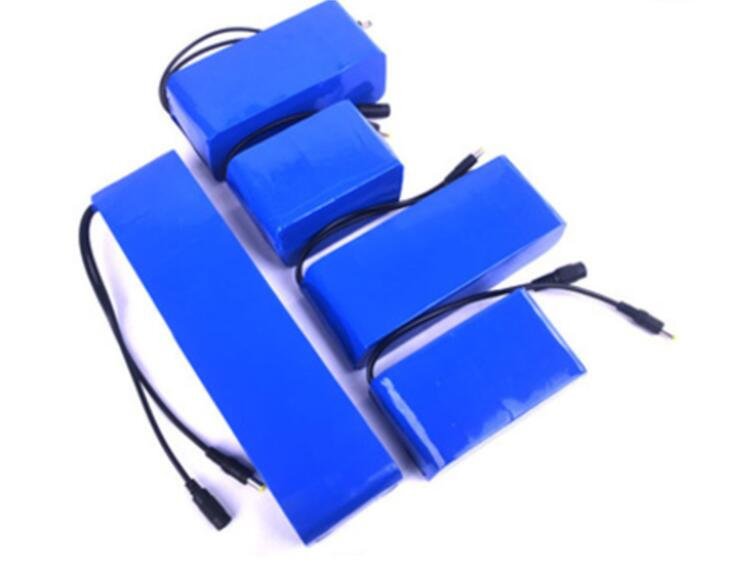
Every lithium pack needs something between the cells and the outside world. That something manages charging, stops the pack from destroying itself, and — in the smart versions — talks to the device it powers. Get this choice wrong and you end up with either an over-priced board you don't need, or a pack that quietly fails in the field. This guide covers the two families you will actually be quoted on, and how to pick.
1. What a battery management system actually does
At minimum, the board protects the cells. Lithium cells are unforgiving: over-charge, over-discharge, over-current and short-circuit will damage them or worse. A BMS watches every cell group and disconnects the load or charger when a limit is crossed. It also balances the cells so they age evenly. That baseline job is non-negotiable for any pack we build.
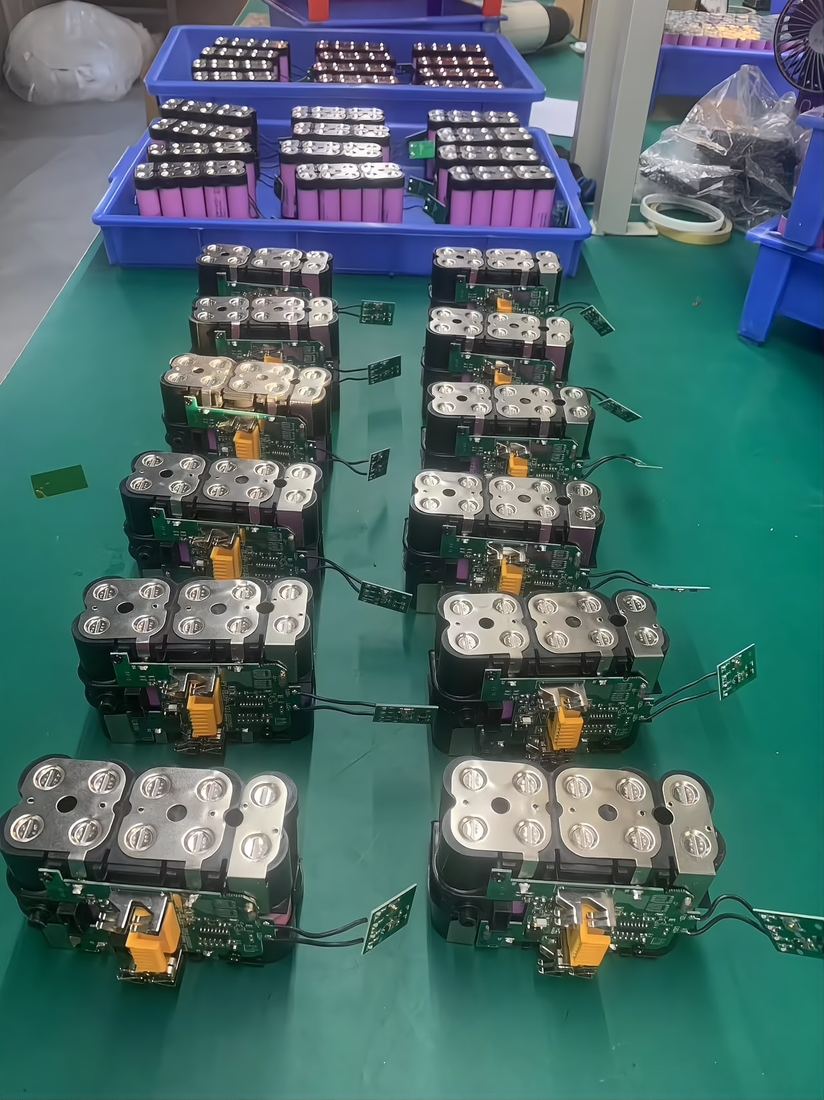
2. PCM — the protection circuit module
A PCM (Protection Circuit Module) is the baseline. It does the five protections listed above, plus passive balancing on most designs, and signals status with a simple LED or nothing at all. There is no microcontroller reporting data to the host — the pack just works until it hits a limit, then it shuts off. For many packs this is exactly enough. A PCM is smaller, cheaper, and has almost nothing to go wrong.
3. Smart BMS — when you need data and control
A smart BMS adds a microcontroller and, usually, a communication interface. Beyond protection it tracks State of Charge (SoC), State of Health (SoH), cycle count and temperature, and can push that data to the device or a phone app. It lets the host decide when to throttle power, when to warn the user, or when to shut down gracefully. If your product is "smart" in any sense — a power station, an AGV, a medical device — you almost certainly want a smart BMS.
4. Communication protocols: SMBus, CAN, RS485, Bluetooth
This is where the term "communication" earns its keep. The common protocols we see on custom packs:
- SMBus / I2C — the standard for laptop- and tool-style packs where the host reads voltage, current and SoC over a two-wire bus.
- CAN bus (CAN 2.0B) — the default in automotive, AGV and larger industrial systems; robust on noisy lines and built for multi-node networks.
- RS485 — common in stationary storage and energy systems where long cable runs matter.
- Bluetooth / UART — for consumer-facing packs that report to a phone app.
The right protocol is dictated by your host device, not by the factory. Tell us which bus your product expects and we match the BMS to it.
5. PCM vs Smart BMS — specification comparison
The table below shows the typical split. Figures marked "typical" are general industry norms for the board class; exact values for a given design are confirmed at quotation.
| Capability | PCM (basic) | Smart BMS |
|---|---|---|
| Over-voltage / under-voltage protection | Yes (standard) | Yes (configurable thresholds) |
| Over-current / short-circuit protection | Yes | Yes (adjustable trip points) |
| Cell balancing | Passive, typical 30–60 mA | Passive or active (on request) |
| Max series count (typical) | up to ~13S | up to ~32S |
| Communication to host | None | SMBus / CAN / RS485 / Bluetooth (per design) |
| State of Charge / Health reporting | No | Yes |
| Status indication | LED only | App / PC software / host display |
| Relative cost | Lower | Higher |
6. How to choose for your application
A practical rule of thumb by product type:
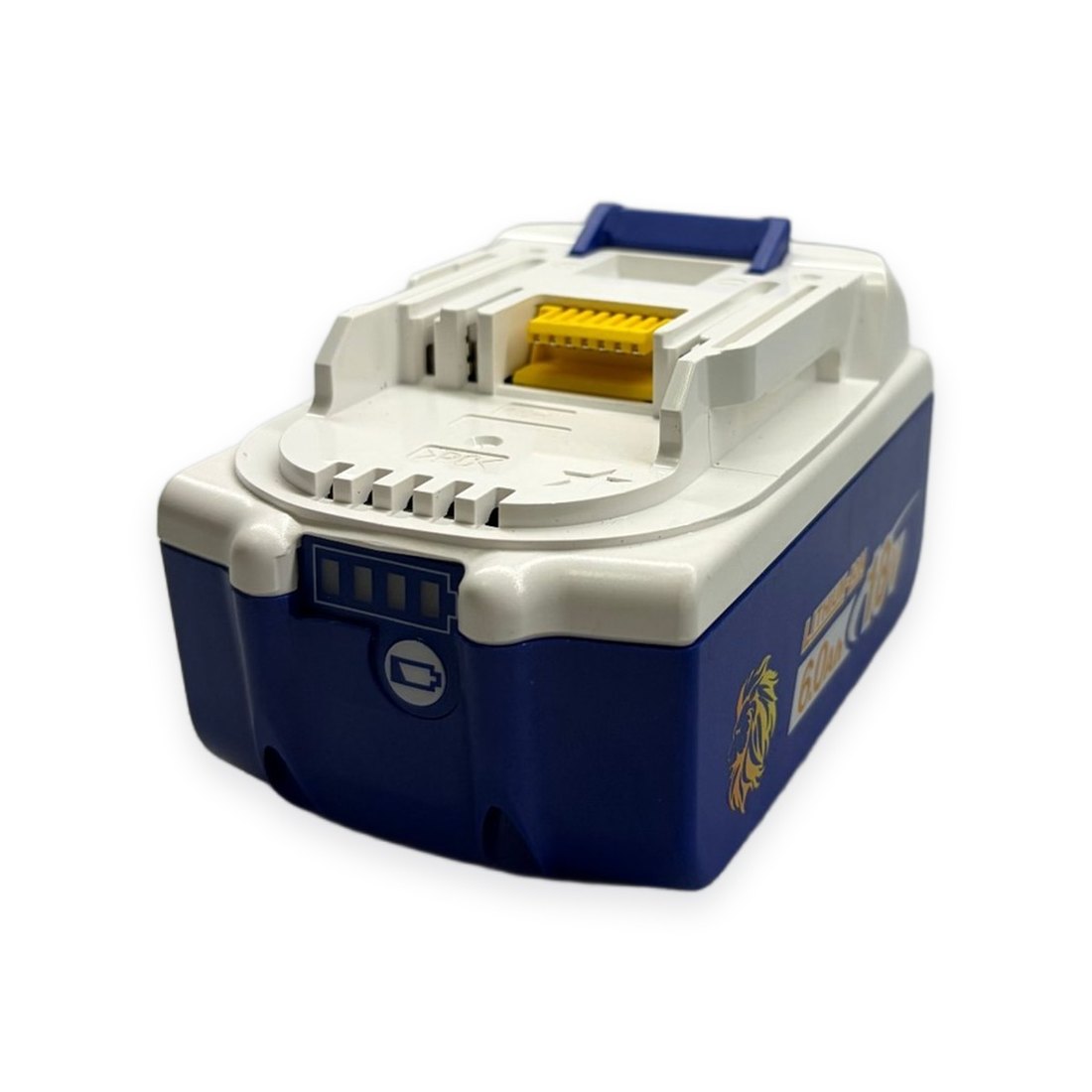
- Power tools & garden equipment — a PCM with SMBus is the common pattern; the tool reads SoC and the pack self-protects. Smart BMS if the platform demands it.
- Drones / UAV & robotics — high-rate loads need a BMS rated for the peak current; communication is optional but SMBus/CAN helps the flight controller manage the pack.
- Portable & stationary storage (LiFePO4) — smart BMS is effectively standard here: SoC, balancing and often RS485 or Bluetooth are expected by the inverter or app.
- Simple replacement packs — if the original had no communication, a PCM keeps cost down and reliability high.
One thing we are clear about: we build only with genuine Grade-A cells from established makers — never B or C grade, never. That same independence applies to the BMS. We select the protection board for your load and host, not because a supplier paid us to.
7. When you do NOT need communication
If the pack just needs to deliver power safely and the host device has no way to read it, a PCM is the honest answer. Adding SMBus to a pack that nothing listens to only raises cost and adds a failure point. The right question is not "how smart can the BMS be" but "what does my product actually read."
Not sure which board your pack needs?
Send us your application, peak current and the communication bus your device expects (if any). We specify the PCM or smart BMS at quotation — no guesswork, no overspend. Samples are charged and credited to your first production order.
Quick Inquiry
If you are scoping a new pack, the fastest path is to tell us what the host device expects and let the protection board follow from there. The comparison above is a starting point — the final spec is set once we see your load profile and enclosure.
Related
Browse the product lines we build — each links to its own page: